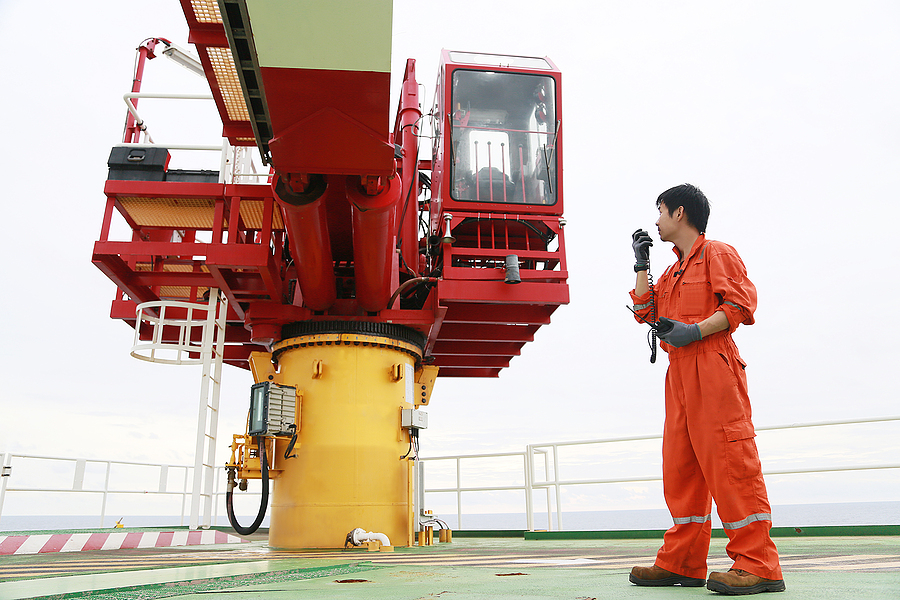
Heavy marine construction projects demand precision, planning, and the right equipment. When lifts involve massive components, tight tolerances, and challenging environmental conditions, selecting the correct crane is critical to safety, efficiency, and project success. Marine cranes for heavy-lift operations are not interchangeable assets. Each project presents unique variables that must be evaluated before a crane is selected.
Understanding how heavy lift marine cranes differ, what capabilities matter most, and how site conditions affect performance helps ensure lifts are executed safely and on schedule.
Why Crane Selection Matters in Marine Heavy Lifts
Marine environments introduce complexities not found in land-based lifting. Tidal changes, wave action, wind loads, limited access, and floating platforms all influence crane performance. Selecting the wrong crane can lead to restricted lift capacity, instability, or costly delays.
Marine cranes for heavy-lift operations must account for dynamic loads, vessel motion, and limited setup space. The right crane reduces risk, improves control, and supports efficient sequencing of lifts throughout the project lifecycle.
Understanding Load Requirements and Lift Scope
The first step in selecting heavy lift marine cranes is defining the load. This includes not only the weight of the object but also its dimensions, center of gravity, and lift radius. Marine lifts often involve oversized or irregular loads such as bridge components, large machinery, offshore structures, or vessel sections.
Lift height, reach, and placement accuracy all influence crane selection. A crane that can handle the load weight may still be unsuitable if it lacks sufficient outreach or vertical clearance. Accurate load analysis ensures the crane is operating within safe margins under real-world conditions.
Fixed vs. Floating Crane Solutions
Marine heavy-lift projects typically rely on either fixed cranes or floating crane platforms. Fixed cranes are often used in shipyards or ports where stable infrastructure is available. These cranes provide high precision and repeatability for controlled environments.
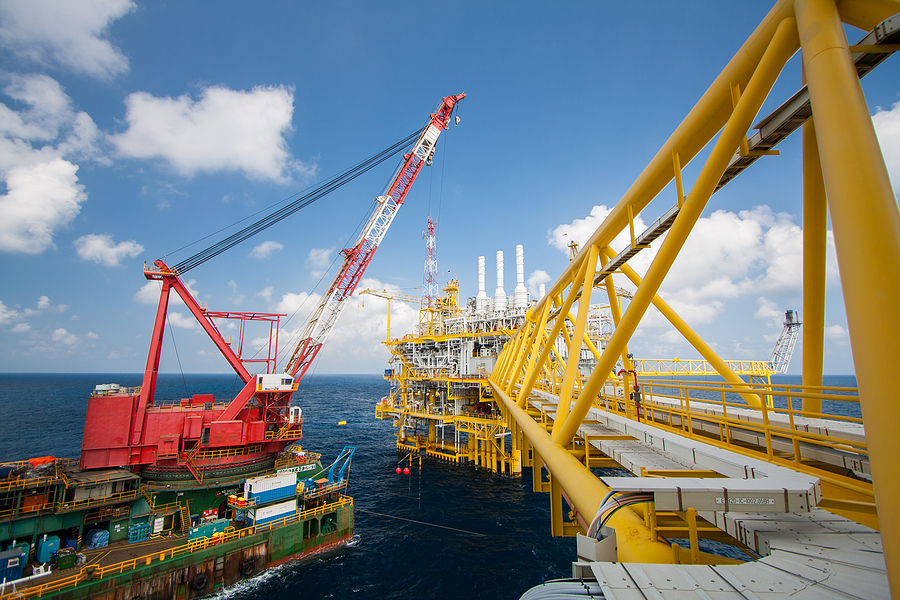
Floating cranes offer flexibility for offshore or nearshore projects where fixed infrastructure is unavailable. Mounted on barges or specialized vessels, floating heavy lift marine cranes can access remote locations and accommodate large components.
Choosing between fixed and floating solutions depends on project location, water depth, load size, and access constraints.
Environmental and Site Conditions
Environmental factors play a major role in crane selection. Wind speed limits, wave height, currents, and tidal range all affect crane stability and operational windows. Marine cranes for heavy-lift operations must be matched to the conditions expected during the lift period.
Site constraints such as channel width, overhead obstructions, and proximity to other structures also influence crane configuration. In many cases, crane selection is tied directly to detailed lift planning and marine logistics.
Understanding these conditions early helps avoid equipment mismatches and schedule disruptions.
Crane Capacity and Safety Margins
Rated crane capacity is not the same as usable capacity in a marine environment. Dynamic forces caused by vessel movement and environmental loads reduce effective lifting capacity.
Heavy lift marine cranes must be selected with appropriate safety margins to account for these variables. Engineers evaluate dynamic amplification factors and ensure the crane can handle worst-case scenarios without approaching operational limits.
Operating well within capacity improves safety, reduces mechanical stress, and allows for smoother lift execution.
Rigging and Load Control Considerations
Crane selection must align with the rigging strategy. Load control becomes increasingly important as lift size and complexity increase. Multiple pick points, spreader bars, and custom rigging solutions may be required.
Marine cranes for heavy-lift operations should support precise load control to minimize swing and rotation. Advanced control systems and experienced operators are essential when placing heavy components in confined or sensitive areas.
Effective coordination between crane capability and rigging design is critical to successful outcomes.
Project Timeline and Operational Efficiency
Crane availability and mobilization time also influence selection. Large heavy lift marine cranes often require significant planning, permitting, and transport. Selecting a crane that aligns with the project schedule helps avoid delays and cost overruns.
Efficiency matters not just during the lift itself, but throughout the project. A crane that supports multiple phases of construction or installation can streamline operations and reduce equipment changes.
Early collaboration between project teams and crane providers supports smarter scheduling decisions.
Regulatory and Compliance Requirements
Marine lifting operations are subject to regulatory oversight and safety standards. Crane selection must comply with applicable maritime regulations, port authority requirements, and project-specific safety plans.
Heavy lift marine cranes must be certified, inspected, and operated by qualified personnel. Ensuring compliance protects workers, assets, and project timelines.
Working with experienced marine service providers simplifies this process and reduces administrative risk.
Why Experience Matters in Heavy Marine Lifts
Selecting marine cranes for heavy-lift operations is not a checklist exercise. It requires real-world experience with complex lifts, marine conditions, and integrated project planning.
DMW Marine Group brings deep expertise in heavy marine construction and lifting operations. Their team understands how crane selection impacts safety, efficiency, and execution from start to finish.
By aligning equipment capability with project requirements, they help ensure successful outcomes even in the most demanding environments.
Plan Heavy Lifts With Confidence
Choosing the right crane is one of the most important decisions in any marine heavy-lift project. The correct selection improves safety, reduces risk, and keeps complex operations moving forward.
If your project requires heavy lift marine cranes and expert guidance on marine cranes for heavy-lift operations, work with a team that understands the demands of marine construction.
To discuss your upcoming project and explore crane solutions tailored to your needs, connect with the DMW Marine Group team today.