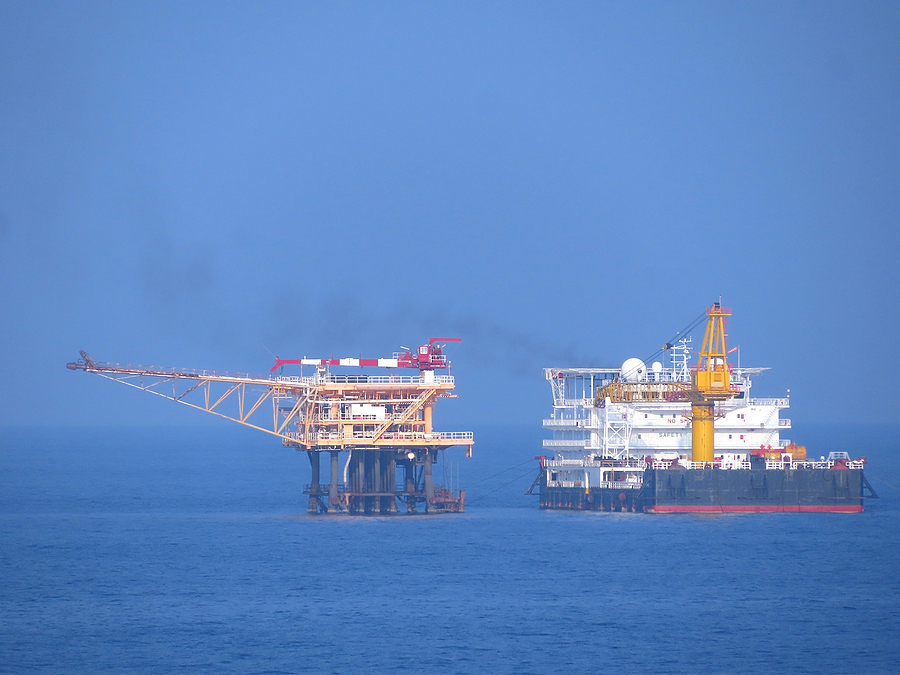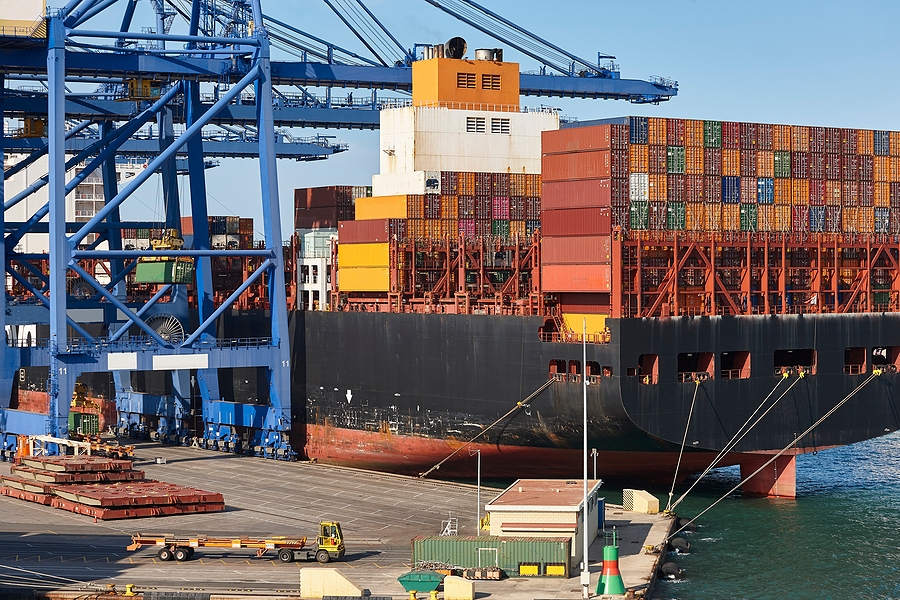
Marine cranes play a critical role across the maritime industry, but their importance becomes even more pronounced when you look at marine cranes used on specialized vessels. These are not generic pieces of deck equipment. They are engineered systems designed to operate in challenging environments, handle unique loads, and support highly specific vessel missions.
From everything like offshore construction to research operations, specialized vessel marine cranes are often mission-critical assets rather than optional add-ons. Understanding how these cranes are used, what makes them different, and why correct specification matters is essential for vessel owners, operators, and project planners alike.
What Defines a Specialized Vessel?
A specialized vessel is purpose-built or heavily modified to perform specific tasks at sea. Unlike general cargo ships or standard workboats, these vessels often support complex operations that demand precision, reliability, and safety.
Common examples include:
- Offshore construction and installation vessels
- Research and survey vessels
- Cable-lay and subsea support vessels
- Dredging vessels
- Military and government service vessels
- Heavy-lift and project cargo vessels
Each of these vessel types places unique demands on onboard lifting equipment. That is where specialized vessel marine cranes come into play.
Why Marine Cranes Are Central to Specialized Operations
On specialized vessels, cranes are not just used for loading supplies. They are integral to daily operations and, in many cases, define what the vessel can accomplish.
Marine cranes used on specialized vessels are commonly responsible for:
- Deploying and recovering subsea equipment
- Handling heavy or irregular loads on deck
- Supporting ROV and AUV launch and recovery
- Installing offshore structures or components
- Managing scientific instruments and sampling systems
- Transferring cargo or equipment between vessels
These tasks often occur in dynamic sea conditions, where vessel motion, wind loads, and limited deck space complicate every lift. As a result, crane design, control systems, and structural integration become far more critical than on standard vessels.
Key Design Features of Specialized Vessel Marine Cranes
Marine cranes used on specialized vessels are engineered with features that go beyond basic lifting capacity. Some of the most important design considerations include:
Motion Compensation
On vessels that perform precise offshore or subsea work, cranes may include active or passive heave compensation. This allows the crane to counteract vessel motion and maintain load stability during lifts.
Extended Outreach and Lift Geometry
Specialized operations often require long outreach to place loads over the side or deep into the water column. Crane geometry must be carefully matched to deck layout and mission requirements.
High-Precision Control Systems
Fine control is essential when handling sensitive equipment or performing installation work. Advanced hydraulic or electric control systems help operators execute complex lifts safely and accurately.
Structural Integration With the Vessel
Unlike portable or modular cranes, specialized vessel marine cranes are frequently integrated directly into the vessel’s structure. Load paths, pedestal design, and deck reinforcement are all engineered together to ensure long-term performance and safety.
Common Vessel Types and Their Crane Requirements
Different specialized vessels require different marine crane configurations. A few examples illustrate how crane design aligns with the vessel’s purpose.
Offshore Construction Vessels
These vessels often rely on heavy-lift marine cranes capable of handling large components such as modules, jackets, or subsea infrastructure. High capacity, long outreach, and motion compensation are common requirements.
Research and Survey Vessels
Marine cranes used on specialized vessels in research roles prioritize precision over raw lifting power. Smooth control, low noise operation, and the ability to deploy delicate instruments are key factors.
Dredging and Environmental Vessels
Cranes on these vessels may be used to handle dredge heads, hoses, or environmental monitoring equipment. Durability and resistance to corrosion and abrasive materials are essential.
Government and Military Vessels
These platforms often require highly customized crane solutions that meet strict operational and regulatory standards, including redundancy, safety interlocks, and secure control systems.
The Importance of Customization
One of the defining characteristics of marine cranes used on specialized vessels is the level of customization involved. Off-the-shelf crane solutions rarely meet the full operational needs of these vessels.
Customization may include:
- Tailored lifting capacities and load charts
- Vessel-specific pedestal and foundation designs
- Specialized winches or hooks
- Integration with dynamic positioning systems
- Enhanced corrosion protection for harsh environments
This level of customization ensures that the crane supports the vessel’s mission rather than limiting it.
Safety and Compliance Considerations
Safety is paramount when operating cranes at sea, especially on vessels performing complex or high-risk operations. Specialized vessel marine cranes must comply with applicable class society rules, flag state regulations, and industry standards.
Key safety considerations include:
- Redundant systems for critical functions
- Load monitoring and overload protection
- Operator visibility and ergonomic controls
- Emergency stop and fail-safe mechanisms
Proper installation, testing, and ongoing maintenance are just as important as initial design.
Long-Term Value of the Right Crane Solution
Selecting the right crane for a specialized vessel is not just a capital decision. It affects operational efficiency, safety performance, and lifecycle costs for years to come. A well-matched crane can expand a vessel’s capabilities, open new project opportunities, and reduce downtime caused by equipment limitations.
This is why many operators work closely with experienced marine crane specialists who understand both the technical requirements and real-world operating conditions of specialized vessels.
Final Thoughts On Marine Cranes
Marine cranes used on specialized vessels are far more than deck accessories. They are engineered systems that support critical maritime operations across offshore, research, industrial, and government sectors. By understanding how specialized vessel marine cranes are designed, integrated, and applied, vessel owners can make informed decisions that improve performance, safety, and long-term value.
If you are evaluating crane solutions for a specialized vessel or planning a new build or retrofit, working with a partner who understands these complexities makes a measurable difference.
To learn more about engineered marine crane solutions for specialized vessels, contact DMW Marine Group and speak with their team about your project.