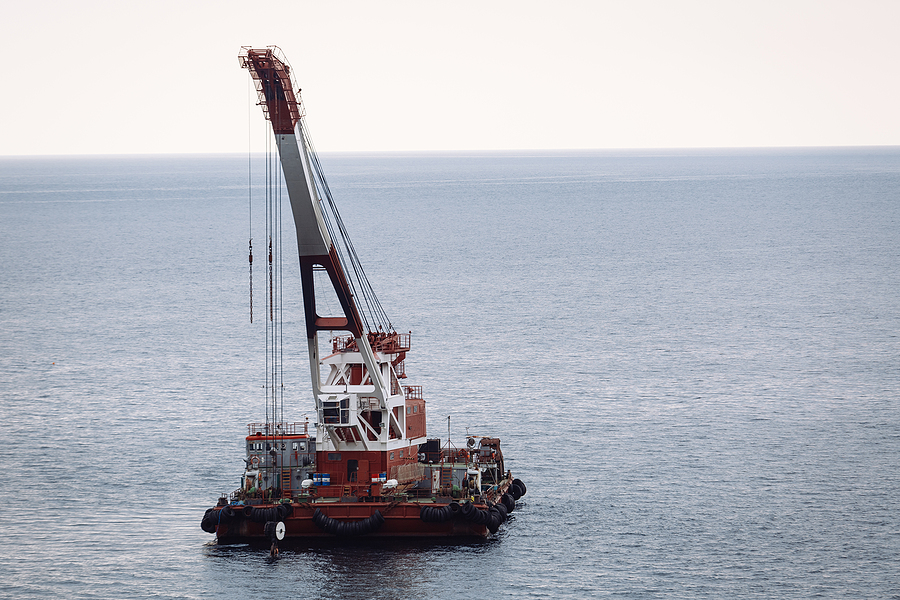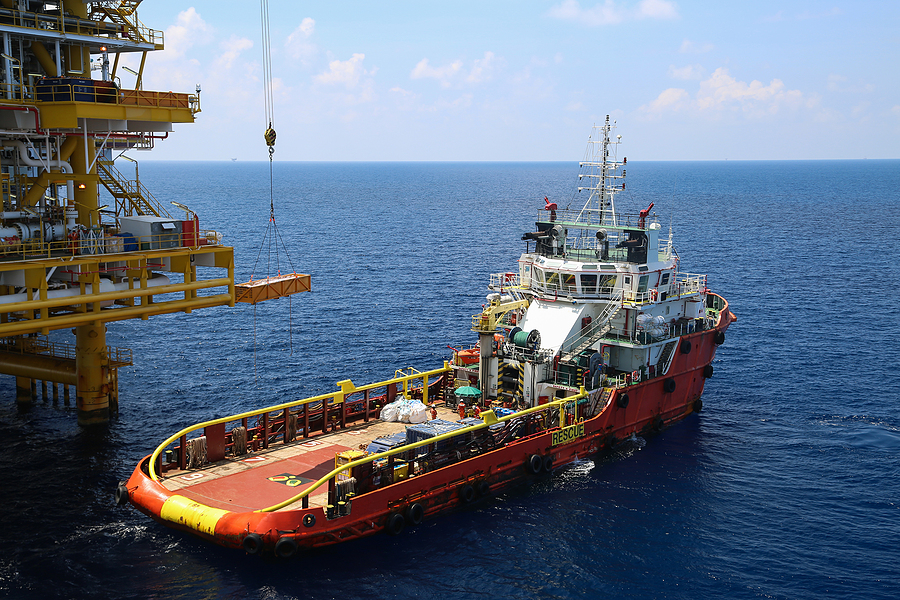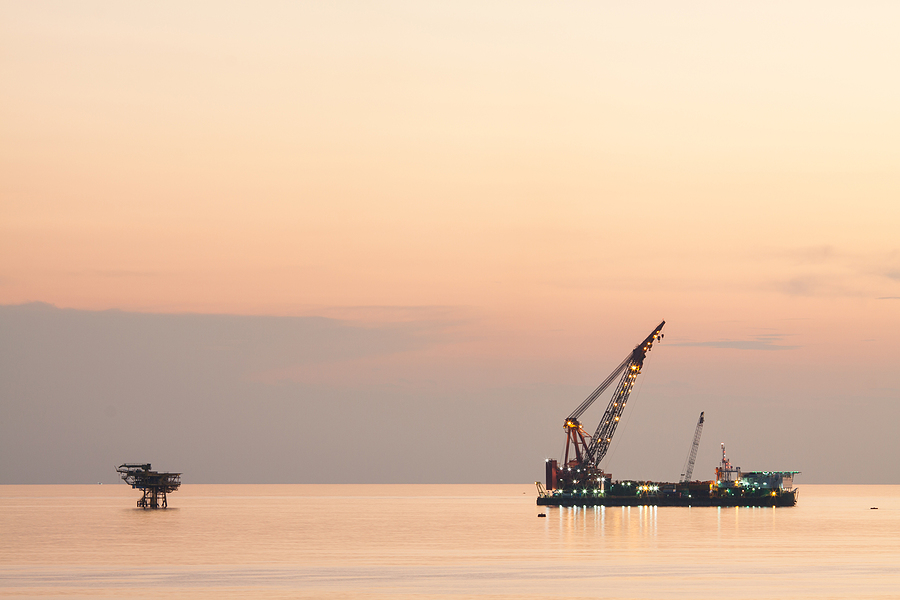
Modern ship crane technology has taken a big leap forward. Today’s systems do more than lift and swing. They sense, predict, and assist. The goal is simple: move cargo faster while keeping crews safer. Here’s what’s new and why it matters for marine cranes in real-world conditions.
Smart Sensors and Real-Time Load Awareness
Old-school limit switches are giving way to multi-sensor packages. You’ll see integrated load cells, angle sensors, wind inputs, and slew position feedback feeding a central controller. Operators get live readouts of hook load, boom angle, outreach, and dynamic safety margins. The crane can warn, slow, or stop before a risky move. These ship crane safety features reduce overloads, protect structures, and help crews make better calls in rough weather.
Anti-Sway, Auto-Landing, and Motion Compensation
Payload sway steals time and raises risk. New control algorithms dampen pendulum motion by shaping acceleration and deceleration automatically. Some systems add “soft land” or auto-landing modes that ease the final inches to deck, saving rigging and fingers. Offshore and nearshore applications now lean on active heave and roll compensation, which uses sensor data to synchronize the hook with vessel motion. The result: fewer aborted picks and more predictable placements.
Collision Avoidance and Geofencing
Modern ship crane technology borrows from mobile equipment and robotics. Radar/LiDAR assisted zones, proximity alarms, and programmable “no-go” areas create a digital perimeter around masts, antennas, and superstructure. If the boom approaches a restricted zone, the system slows or freezes motion. On crowded decks, this is one of the most practical ship crane safety features you can add.
Condition Monitoring and Predictive Maintenance
Downtime is expensive. Newer controls log cycle counts, hydraulic pressures, motor temps, and fault histories. Paired with oil analysis and vibration trends, the data flags wear on winch gearboxes, slew bearings, pumps, and cylinders before failure. Maintenance shifts from “fix it when it breaks” to “service it when the data says.” That protects budgets and schedules, especially for marine cranes that see heavy duty cycles.
Safer Hydraulics and Energy Efficiency
Hydraulic circuits are smarter, too. Load-sensing pumps, proportional valves, and energy recovery reduce heat and fuel burn while improving fine control. Better hose routing, improved sealing, and contamination control cut leak risks. Add automatic park/lock valves and boom rest interlocks, and you’ve got a safer, cleaner system that’s easier to certify and maintain.
Human-Centered Operator Interfaces
Good hardware needs a good interface. High-contrast HMI screens, intuitive alarms, and standardized icons help operators react fast. Camera-assisted views at the hook, boom tip, and deck give meaningful context in low visibility. Integrated checklists guide pre-lift inspections and post-job shutdowns. Training mode overlays let new operators learn systems without guesswork.
Materials, Coatings, and Corrosion Defense
Coastal and offshore work punishes steel. Advances in coating systems, sealed bearings, stainless fasteners, and composite guards slow corrosion. Enclosed winches and improved rope management extend wire life. The everyday benefit is less time spent grinding and re-coating, and more time lifting.
Data, Documentation, and Compliance
Digital logs now bundle load charts, proof tests, NDT results, and inspection photos. When class or insurers ask, you can produce evidence in minutes. QR-tagged components link to current manuals and parts lists. This traceability speeds audits and reduces the back-and-forth that often delays a return to service.
Choosing what to adopt (and when)
You don’t need every feature on day one. Start with the upgrades that reduce your biggest risks:
- Real-time load/slew monitoring and alarmed limits
- Anti-sway control or soft landing
- Proximity protection around critical structures
- Condition monitoring for pumps, gearboxes, and slew bearings
- Camera kits for hook and deck visibility
Match the tech to your crane type and duty cycle. A harbor crane sees different risks than an offshore knuckle boom. The right partner will help you prioritize.
Modern ship crane technology isn’t about bells and whistles. It’s about practical, proven features that raise safety, cut downtime, and make every lift more predictable. If you want help selecting ship crane safety features that fit your fleet and budget, DMW Marine Group can evaluate your current gear, recommend upgrades, and support installation and certification across a wide range of marine cranes.
CTA: Ready to plan an upgrade path? Talk to the DMW Marine Group team about sensors, anti-sway, monitoring, and controls tailored to your vessels. Request a consultation.