At first glance, a crane is a crane. It lifts, lowers, and moves heavy loads from one point to another. But once you step into the world of marine operations, that assumption quickly falls apart. Marine cranes and land cranes may share core lifting principles, yet the environment they operate in changes everything.
Wondering if marine cranes are harder to operate than land cranes? In most cases, yes. Not because the machines themselves are poorly designed, but because the operating conditions are significantly more complex. When you add vessel movement, weather exposure, currents, limited deck space, and dynamic load behavior into the equation, the difficulty level increases well beyond what operators experience on stable ground.
Understanding these differences is critical for anyone involved in marine construction, offshore logistics, ship operations, or heavy lifting in coastal environments.
Stability vs Constant Movement
The biggest distinction between land cranes and marine cranes is stability. Land cranes typically operate on firm, stationary surfaces like concrete pads, construction sites, or prepared ground. This stable base allows operators to focus primarily on load weight, radius, and boom positioning.
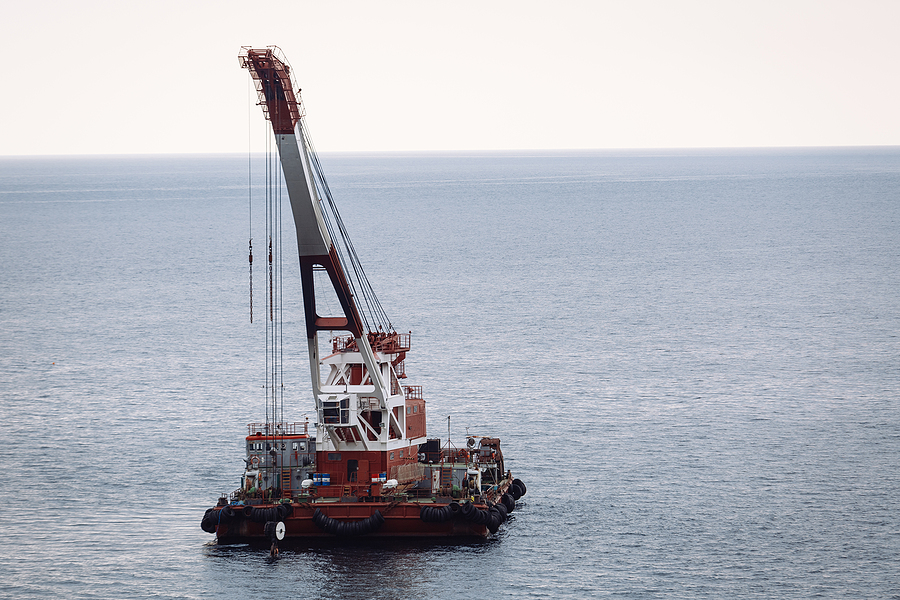
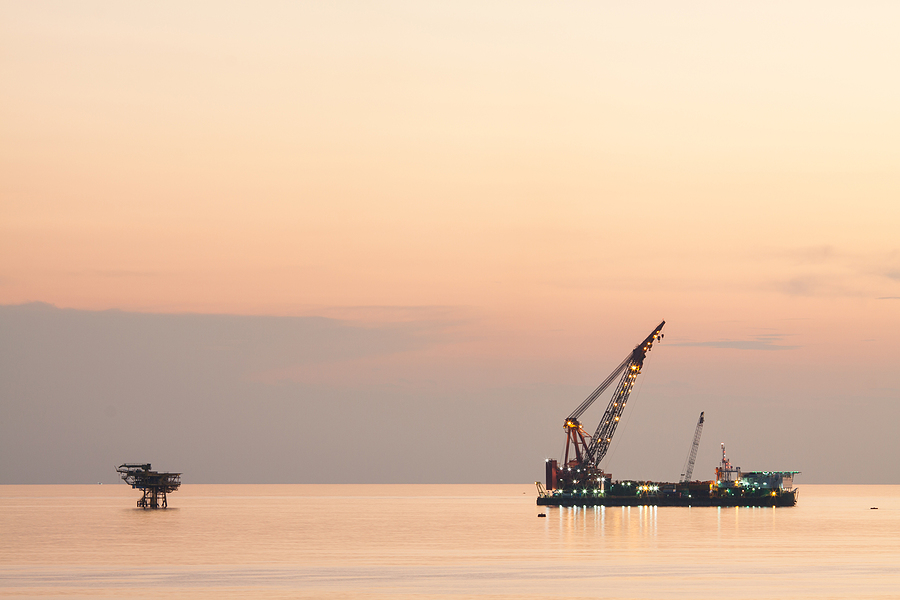
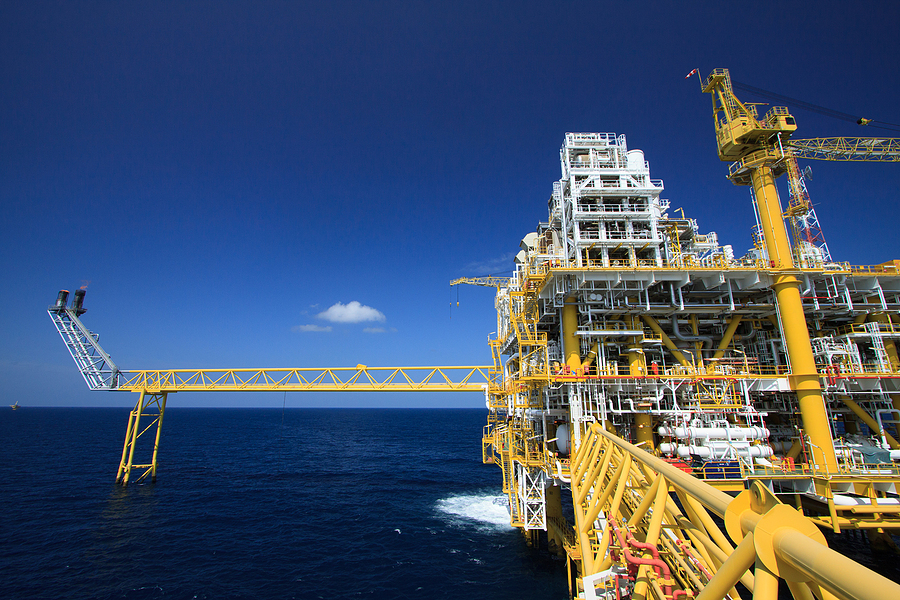
Marine cranes, on the other hand, are often mounted on vessels, barges, docks, or offshore platforms. These structures are rarely completely still. Even in relatively calm water, subtle motion occurs due to waves, tides, and wind. This movement introduces additional variables that operators must constantly account for.
When the base of the crane is moving, the load is also affected. The operator is not just controlling a lift. They are managing a dynamic system where both the crane and the suspended load respond to environmental forces in real time.
Environmental Conditions Add a Layer of Complexity
Operating a crane on land usually involves predictable environmental conditions. While the weather can still impact safety, the working environment is generally more controlled. Marine crane operators face a very different reality.
Wind speeds tend to be stronger and less obstructed over open water. Waves introduce vertical and lateral motion. Currents can shift vessel positioning. Even temperature and salt exposure influence equipment performance. All of these factors must be monitored continuously during lifting operations.
This means marine crane operators must remain far more aware of environmental changes than their land-based counterparts. A lift that appears routine at the start can quickly become more challenging if weather conditions shift.
Load Control Is More Challenging at Sea
On land, loads typically behave predictably. Once lifted, they may sway slightly, but the motion is manageable with proper rigging and operator skill. In marine environments, load control becomes significantly more complicated.
When a vessel moves due to wave action, the suspended load can swing, rise, or drop unexpectedly. This creates what is known as dynamic loading, where the force on the crane and rigging changes constantly. Even a small wave can alter the tension in the lifting line.
Marine crane operators must anticipate these movements rather than simply react to them. Precision timing and steady control inputs are essential to prevent load instability, especially during offshore lifts or transfers between vessels and platforms.
Visibility and Communication Challenges Offshore
Another factor that makes marine cranes harder to operate is visibility. On land, operators often have clear sightlines and established communication systems with ground crews. In marine settings, visibility can be affected by weather, vessel structures, and operational layouts.
Fog, rain, glare from water, and nighttime offshore work can all reduce visual clarity. Operators must rely heavily on communication with deck crews, signalers, and supervisors to execute lifts safely. Clear coordination becomes even more critical when working in confined marine spaces or near other vessels.
Communication delays or misinterpretations in a marine environment can create safety risks much faster than in controlled land-based operations.
Equipment Design Differences Between Marine and Land Cranes
Marine cranes are specifically engineered to handle harsh environments, but this specialized design also changes how they are operated. Unlike many land cranes, marine cranes must be corrosion-resistant, compact, and capable of functioning under continuous motion.
They are often mounted in fixed positions on vessel decks or offshore structures, which limits repositioning flexibility compared to mobile land cranes. Operators must plan lifts carefully because they cannot simply relocate the crane to improve lift angles.
Additionally, marine cranes frequently incorporate advanced stabilization features and hydraulic systems designed for offshore conditions. These systems require specialized training to operate effectively and safely.
Training Requirements Are Typically More Advanced
Because of the environmental and operational complexity, marine crane operators often require more specialized training than land crane operators. While both roles demand technical skill and safety awareness, marine operations involve additional competencies.
Operators must understand vessel dynamics, offshore safety protocols, weather assessment, and load behavior in moving environments. They must also be familiar with marine rigging practices and emergency procedures unique to offshore and maritime settings.
This expanded skill set is one of the main reasons marine crane operations are considered more demanding. The operator is not just managing machinery but also interpreting constantly changing environmental conditions.
The Role of Vessel Motion: Heave, Roll, and Pitch
Marine crane operation is heavily influenced by three types of vessel motion: heave, roll, and pitch. Heave refers to vertical movement caused by waves. Roll is the side-to-side motion of the vessel, while pitch is the forward and backward tilting movement.
Each of these motions directly affects lifting accuracy. When the vessel rises and falls, the load may experience sudden tension changes. When the vessel rolls, the load may swing laterally. These combined forces make precise placement more difficult than on land.
Operators must synchronize their lifting actions with vessel motion to maintain control and safety throughout the operation.
Space Constraints on Marine Vessels
Land construction sites often provide relatively open working areas for crane setup and operation. Marine vessels and offshore platforms, however, have limited deck space and strict layout constraints.
This restricted space makes maneuvering loads more complex and leaves less margin for error. Operators must work within tight operational zones while avoiding obstacles such as railings, equipment, and structural components.
The confined environment increases the importance of careful planning and controlled movements during every lift.
Maintenance and Operational Stress in Marine Environments
Marine cranes operate in some of the harshest conditions possible. Constant exposure to saltwater, humidity, and temperature fluctuations accelerates wear on mechanical and electrical components. While land cranes also require maintenance, marine cranes face additional environmental stress.
This ongoing exposure means operators must be attentive to equipment performance and potential operational changes. Subtle differences in hydraulic response or control sensitivity can occur due to environmental wear, making experience and familiarity with the equipment even more valuable.
Safety Considerations Are Significantly Heightened
Safety protocols for marine crane operations are generally more stringent due to the increased risk factors involved. Working over water, near vessels, or on offshore structures introduces hazards that are rarely present on land.
Load drops, swinging cargo, and unstable footing can create serious safety concerns if not managed properly. Additionally, emergency response options may be more limited offshore compared to land-based construction sites.
Because of these risks, marine crane operations require thorough planning, risk assessments, and strict adherence to operational guidelines.
Are Marine Cranes More Difficult or Just Different?
It is important to clarify that marine cranes are not inherently “worse” or harder in a negative sense. They are simply designed for a far more dynamic and demanding environment. Skilled operators who are trained specifically for marine lifting can perform highly precise and efficient operations even under challenging conditions.
The difficulty comes from the combination of environmental forces, operational constraints, and safety requirements rather than the machinery itself.
Marine Cranes Are Typically More Complex to Operate
So, are marine cranes harder to operate than land cranes? In most operational scenarios, yes. The constant movement of vessels, environmental exposure, limited space, and dynamic load behavior all contribute to a more complex operating environment.
Marine crane operators must combine technical lifting expertise with environmental awareness, communication skills, and advanced training to perform safe and efficient lifts. While land crane operation is highly skilled in its own right, marine lifting adds multiple layers of complexity that require specialized experience and equipment.
At DMW Marine Group, we specialize in high-performance marine crane solutions designed for demanding offshore, vessel, and dockside operations. Our equipment is engineered to handle complex marine environments while maintaining safety, precision, and reliability.
If your project involves marine lifting and you need dependable crane solutions built for real-world conditions, contact us to learn how our marine crane expertise can support your operations with durable equipment and industry-leading performance.