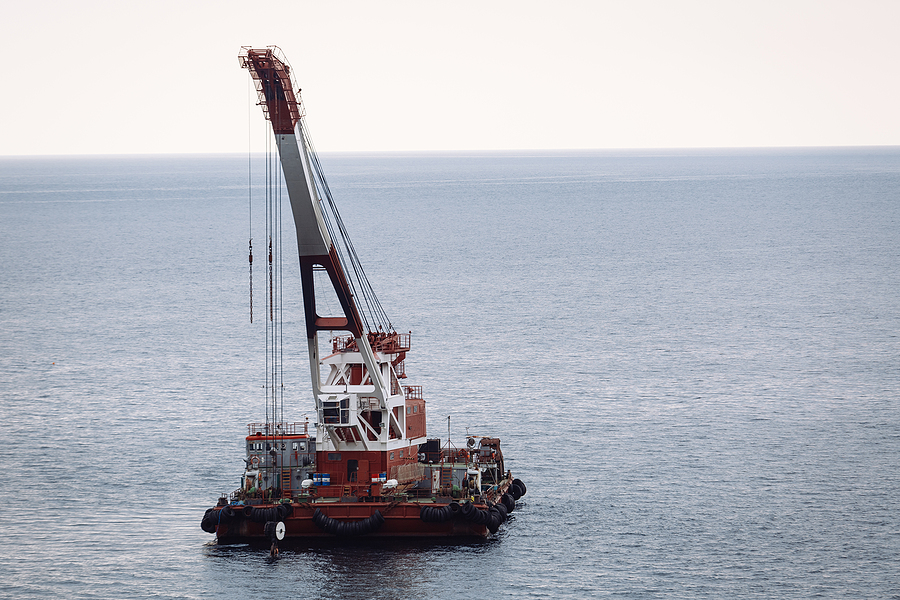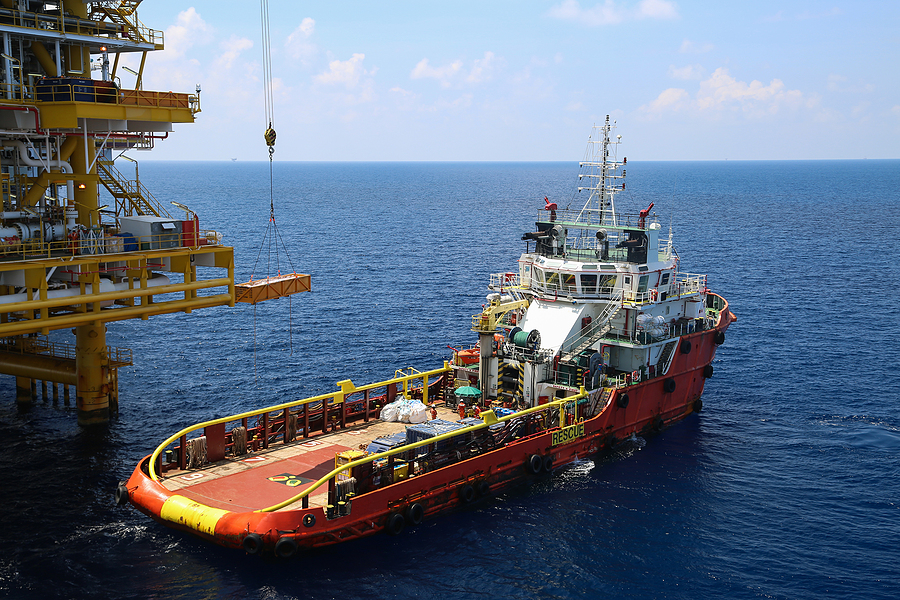
Corrosion is one of the most persistent and costly challenges in the maritime industry because it strikes without mercy. Few pieces of equipment are more exposed to harsh environmental conditions than cranes operating at sea, where they are exposed to wind and sea salt. That is why corrosion protection systems are not an optional upgrade, but a core design requirement for modern marine lifting equipment. When properly specified and maintained, effective marine crane corrosion protection extends service life, improves safety, and significantly reduces total ownership costs.
Understanding how corrosion protection systems work and why they matter is critical for vessel owners, operators, and engineers responsible for marine crane performance.
Why Marine Cranes Are Especially Vulnerable to Corrosion
Marine cranes operate in one of the most aggressive environments imaginable. Saltwater exposure, high humidity, UV radiation, and constant temperature fluctuations create ideal conditions for corrosion to form and spread.
Key contributors to corrosion in marine cranes include:
- Continuous salt spray and airborne chlorides
- Water intrusion into joints, bearings, and hydraulic systems
- Mechanical wear that damages protective coatings
- Limited access areas that trap moisture
- Long idle periods followed by heavy use
Without robust corrosion protection systems, even high-quality structural steel and components can degrade faster than expected.
What Are Corrosion Protection Systems?
In the context of marine cranes, corrosion protection systems refer to a layered approach that combines coatings, materials, design strategies, and maintenance practices to slow or prevent metal degradation.
Rather than relying on a single solution, effective marine crane corrosion protection uses multiple defenses working together. This systems-based approach recognizes that no single coating or treatment can fully protect a crane throughout its operational life.
Protective Coatings and Paint Systems
Coatings are the most visible and widely used element of corrosion protection systems. Marine crane paint systems are engineered to withstand salt exposure, abrasion, and UV damage.
Common coating layers include:
Surface Preparation
Proper blasting and surface preparation are critical. Even the best coating will fail if applied over poorly prepared steel.
Primer Layers
Primers provide adhesion and initial corrosion resistance. Zinc-rich primers are often used to offer sacrificial protection.
Intermediate Coats
These layers add thickness and durability, helping the system resist mechanical damage and moisture intrusion.
Topcoats
Topcoats protect against UV exposure and provide the final environmental barrier. They also contribute to the crane’s appearance and visibility.
High-performance coating systems are often specified to meet offshore or heavy-duty marine standards due to the extreme conditions cranes face.
Material Selection and Component Protection
Beyond coatings, material selection plays a major role in marine crane corrosion protection. Certain components are more vulnerable than others and require additional safeguards.
Examples include:
- Stainless steel or corrosion-resistant alloys for fasteners
- Sealed bearings and bushings
- Corrosion-resistant hydraulic fittings
- Protective covers for hoses and cables
Designing with corrosion in mind from the start reduces reliance on reactive maintenance later.
Cathodic Protection in Marine Environments
Some corrosion protection systems incorporate cathodic protection, especially for cranes mounted close to or partially submerged near the waterline.
Cathodic protection works by redirecting corrosive activity away from critical steel components. While more common on hulls and submerged structures, this approach can complement coating systems in specific crane installations.
Design Features That Reduce Corrosion Risk
Marine crane corrosion protection is not limited to coatings and materials. Smart design decisions can significantly reduce corrosion exposure over time.
Effective design features include:
- Drainage paths to prevent standing water
- Sealed enclosures for electrical components
- Reduced crevices where moisture can accumulate
- Accessible inspection and maintenance points
By minimizing water retention and improving access, designers make corrosion easier to manage and detect early.
Maintenance as Part of the Protection System
Even the best corrosion protection systems require ongoing maintenance. Marine cranes are dynamic machines, and coatings naturally degrade over time due to wear and exposure.
Key maintenance practices include:
- Routine inspections for coating damage
- Prompt touch-up of chipped or worn areas
- Cleaning to remove salt buildup and contaminants
- Monitoring high-risk zones such as joints and welds
Proactive maintenance prevents minor coating failures from turning into structural corrosion issues.
Cost of Inadequate Corrosion Protection
Underestimating the importance of corrosion protection systems can have serious consequences. Corrosion-related failures increase downtime, compromise safety, and lead to costly repairs or premature replacement.
Poor marine crane corrosion protection can result in:
- Reduced lifting capacity due to structural degradation
- Increased inspection and repair costs
- Shortened equipment lifespan
- Elevated safety risks for crew and cargo
In contrast, investing in robust corrosion protection upfront often delivers long-term savings and improved reliability.
Choosing the Right Corrosion Protection Strategy
No two vessels or crane applications are identical. Environmental exposure, operating patterns, and maintenance capabilities all influence which corrosion protection systems are most appropriate.
That is why working with experienced marine equipment specialists is essential. They can evaluate operational conditions and recommend protection strategies that balance performance, durability, and lifecycle cost.
Final Thoughts
Corrosion protection systems are a foundational element of marine crane design and operation. From advanced coating systems to smart structural design and disciplined maintenance, effective marine crane corrosion protection ensures that cranes remain safe, reliable, and productive in harsh maritime environments.
For vessel owners and operators, corrosion control is not just about preserving steel. It is about protecting uptime, safeguarding crews, and maximizing return on investment over the life of the equipment.
To learn more about engineered corrosion protection solutions for marine cranes, contact DMW Marine Group to speak with our team about your specific application.