When the Weather Packs a Punch, Control Systems Must Hold Firm
Operating a crane at sea or alongside the coast means constant exposure to extremes: salt spray, freezing temperatures, humidity, wind, and more. Knowing how marine crane controls handle harsh conditions isn’t a luxury; it’s essential. Modern marine cranes rely on rugged, weather-tested control systems to ensure consistent performance, reduce downtime, and protect crew safety.
In this post, we’ll explore how control units are engineered to thrive in punishing marine environments. We’ll explain what makes a system truly robust, and why investing in corrosion‑resistant control units can save you time and money over the long haul.
The Problem: Why Harsh Conditions Challenge Crane Controls
Salt spray and high humidity introduce corrosion risks to electronics, wiring, and metal enclosures on marine cranes. Rain, mist, and fluctuating temperatures can cause condensation that interferes with sensors or joysticks. In cold climates, brittle plastics and stiff hydraulic fluids can impair responsiveness. In short, weather doesn’t just impact the crane structure—it threatens the very brain of the machine.
Control systems must also resist physical wear from long-term exposure. Regular maintenance, proper sealing, and robust design are necessary just to keep controls functional. If exposed or under-protected, controls tend to fail sooner, and replacements cost time, money, and operational downtime.
Built for the Elements: Corrosion‑Resistant Control Units
A major innovation in marine crane design has been the development of corrosion-resistant control units. These are sealed, marine-grade control panels and enclosures built from stainless steel, treated aluminum, or specialized polymer alloys. Each panel is rated to resist salt ingress, moisture, impact, and UV degradation.
Inside these enclosures, circuit boards and wiring are conformally coated to resist water and salt exposure. Buttons, toggles, and joysticks are sealed to IP-65 or IP-67 standards, which means no water intrusion, even under mild pressure or temporary exposure.
This level of protection means crews can operate controls confidently, whether during a sudden rain squall, after saltwater spray, or in freezing wind, without worrying about corrosion creeping into critical internal components.
Temperature Tolerance and Hydraulics Integration
Control units must also operate across a wide temperature range. High-ambient heat can overheat sensitive electronics while freezing cold can interfere with touchscreens or stiffen control surfaces.
To cope with that, many systems include thermostatically controlled heaters or cooling fans inside control cabins or console boxes. Some joysticks and switchgear components are designed with self-lubricating or low-temperature plastics that remain responsive in cold weather.
Control integration also matters. When crane control units are properly calibrated to the hydraulic system and tension sensors, they compensate for variations in fluid viscosity, ensuring smooth motion even in cold conditions. That allows marine cranes to maintain performance, whether moving heavy loads in tropical heat or operating in icy conditions.
Diagnostics and Predictive Maintenance
Modern control systems not only survive the weather, but they also actively manage it. Many marine crane controls handle harsh conditions by embedding self-diagnostic and remote monitoring features.
Real-time sensors monitor humidity levels, corrosion potential, temperature variance, and electrical resistance. If any parameter drifts outside safe limits, the control unit can issue a warning or even disable operations until inspection.
These predictive features help crews catch problems before they become failures. A corroded connector or weakened seal can be identified early, preventing unexpected downtime or loading delays, especially important on offshore vessels or busy port terminals.
Safety Matters in Rough Seas
When talking about crane control reliability, safety always comes first. Even under harsh weather, crews must be able to shut down operations instantly, reposition the boom, or zero-load a hook without hesitation.
Emergency stop switches and joystick dead-man levers are deliberately over-engineered for marine use. They offer tactile feedback, resistance to water blockage, and fail-safe operation. When properly maintained, these systems make sure that even rough seas or rainstorms cannot prevent crews from stopping operations in an emergency.
Weather-Proofed Performance
Ports in Northern Europe and near coasts in the U.S. routinely face salt-laden winds, freezing winters, and heavy storms. Operators there depend on crane control systems designed to endure those conditions, without rusting, without malfunctioning, season after season.
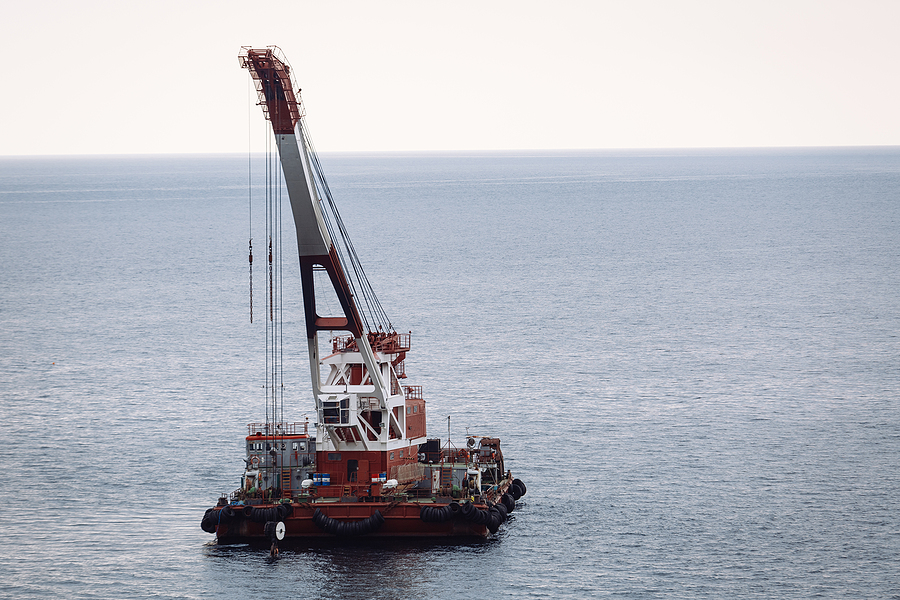
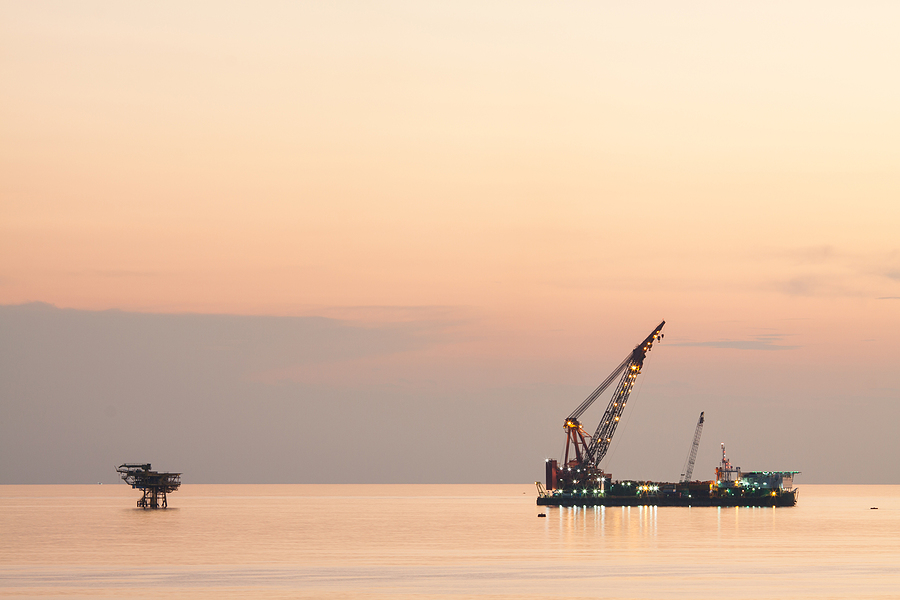
At offshore cargo terminals, cranes mounted on barges receive constant spray and wind. Yet their control units remain operational thanks to hardened enclosures, humidity sensors, and rigorous sealing standards. These systems prove that weather isn’t an excuse—it’s a design requirement.
Why It Matters for You
When you specify crane controls, understanding how marine crane controls handle harsh conditions means thinking beyond lift capacity and speed. You’re investing in equipment that must perform reliably, day after day, whatever the forecast brings.
Choosing cranes with true corrosion‑resistant control units helps reduce service interruptions and lowers maintenance costs. It also ensures that storm or salt exposure doesn’t mean downtime, or worse, system failure when you least expect it.
Experience Weather-Tough Marine Crane Control Systems
At DMW Marine Group, our marine crane systems are built to handle harsh environments. From rugged control enclosures to sealed joysticks and onboard diagnostics, we ensure your crane performs reliably in sea spray, heat, or cold.Contact us today to learn more about our marine cranes and weather-resilient control systems.