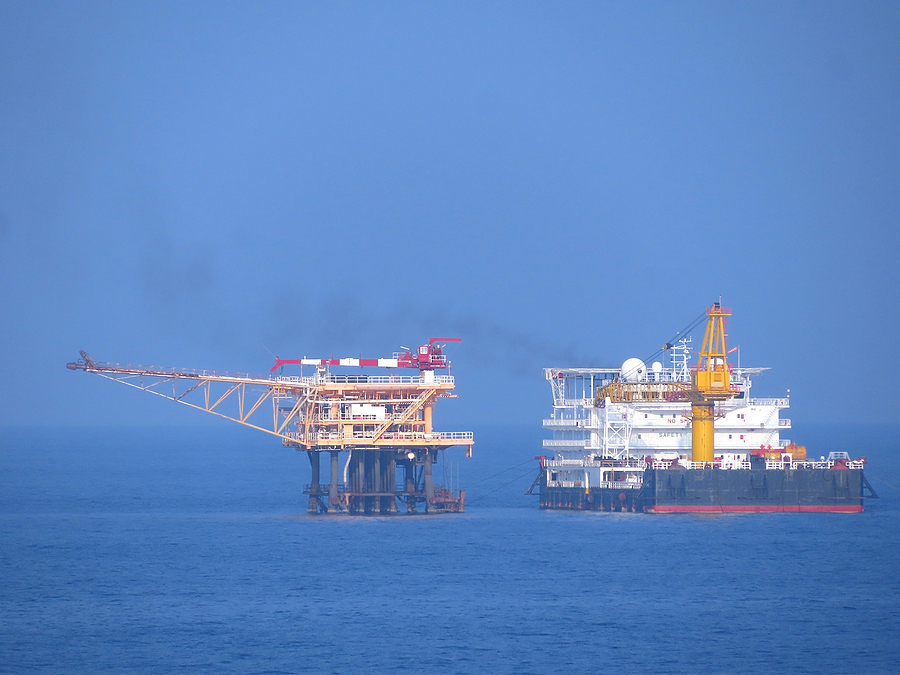
When you’re operating cranes in marine environments, there are certain components you can’t afford to overlook. Slewing drive gearboxes sit high on that list.
These systems enable the crane to rotate smoothly and precisely under load. Every lift, every swing, every adjustment depends on that rotation working exactly as it should. If the slewing drive starts to fail, you’re not just dealing with a maintenance issue. You’re dealing with operational downtime, safety risks, and potentially expensive repairs.
In saltwater environments, the stakes are even higher. Corrosion, moisture intrusion, and constant exposure to harsh conditions accelerate wear in ways that don’t happen on land.
So the question isn’t whether you need preventive maintenance. It’s how to plan it correctly.
Why Slewing Drive Gearboxes Are So Critical
Before getting into maintenance intervals, it helps to understand why the slewing drive gearbox is such a vital component.
This system transfers torque from the motor to the crane’s rotating structure. It handles both radial and axial loads while maintaining controlled movement under significant stress.
Unlike some components that can show a gradual decline in performance, slewing systems tend to fail in ways that are disruptive and immediate. You might notice increased noise, uneven rotation, or backlash, but by the time those symptoms appear, wear is often already advanced.
That’s why preventive maintenance isn’t just recommended. It’s essential.
The Reality of Saltwater Exposure
Saltwater environments introduce a completely different level of complexity.
Salt accelerates corrosion. Moisture finds its way into seals. Temperature fluctuations cause expansion and contraction that stress components over time.
Even with protective coatings and sealed systems, exposure is constant. Over time, small vulnerabilities become entry points for contamination.
Once saltwater or moisture enters the gearbox, it begins to break down lubrication, promote internal corrosion, and increase friction between moving parts.
This is why maintenance intervals offshore or in coastal environments must be more aggressive than standard manufacturer recommendations for inland equipment.
Start with Manufacturer Guidelines, Then Adjust
Every slewing drive gearbox comes with baseline maintenance recommendations from the manufacturer. These typically include inspection intervals, lubrication schedules, and service milestones.
That’s your starting point, not your final plan.
In saltwater environments, those intervals should almost always be shortened. The exact adjustment depends on several factors, including exposure level, operating frequency, and environmental severity.
For example, a crane operating continuously in offshore conditions will require more frequent inspections than one used occasionally in a sheltered harbor.
The key is to treat the manufacturer’s guidelines as a foundation, then build a more conservative schedule based on real-world conditions.
Daily and Weekly Visual Inspections
The first layer of preventive maintenance is consistent observation.
Daily or weekly visual checks can catch early warning signs before they develop into larger issues. This includes looking for leaks, corrosion, unusual wear patterns, and changes in performance.
Operators and deck crews are often the first to notice these changes. A slight increase in noise or resistance during rotation can indicate that something isn’t right.
Catching these signals early allows for corrective action before damage escalates.
In saltwater environments, even minor signs of corrosion should be taken seriously. What appears to be surface-level damage can progress quickly if left unaddressed.
Lubrication: The First Line of Defense
Lubrication plays a central role in protecting slewing drive gearboxes.
In marine conditions, lubrication doesn’t just reduce friction. It also acts as a barrier against moisture and contaminants.
Over time, however, lubricants degrade. Exposure to heat, pressure, and contamination reduces their effectiveness.
In saltwater environments, this degradation happens faster.
That’s why lubrication intervals should be reviewed and often shortened. Regular sampling and analysis of lubricant conditions can provide valuable insight into whether changes are needed.
Using marine-grade lubricants designed for corrosion resistance is also critical. Not all lubricants perform equally under these conditions.
Seal Integrity and Contamination Control
Seals keep the internal components of the gearbox protected from the external environment.
In saltwater applications, seal integrity is constantly under pressure.
Wear, temperature changes, and mechanical stress can all compromise seals over time. Once a seal begins to fail, it creates a pathway for moisture and salt to enter the system.
Regular inspection of seals is essential. This includes checking for visible damage, leaks, and signs of wear.
Replacing seals proactively, rather than waiting for failure, is one of the most effective ways to extend the life of the gearbox.
Scheduled Detailed Inspections
Beyond daily checks, you need scheduled, in-depth inspections.
These typically occur at defined intervals based on operating hours or calendar time. In saltwater environments, these intervals are often more frequent than standard recommendations.
During these inspections, technicians examine internal components, measure wear, check alignment, and assess the overall condition of the system.
This is also the time to perform oil analysis, inspect gear teeth, and evaluate bearing performance.
Detailed inspections provide a clearer picture of long-term wear trends and help inform future maintenance planning.
Monitoring Operating Conditions
Preventive maintenance isn’t just about scheduled tasks. It’s also about understanding how the equipment is being used.
Tracking operating conditions can provide valuable insights.
This includes monitoring load levels, rotation frequency, environmental exposure, and any unusual events such as shock loading or extreme weather.
If a crane is operating near its capacity limits or in particularly harsh conditions, maintenance intervals should be adjusted accordingly.
Data-driven maintenance planning leads to more accurate and effective schedules.
Corrosion Management Strategies
Corrosion is one of the biggest challenges in saltwater environments.
Preventive maintenance plans should include specific strategies to manage it.
This might involve applying protective coatings, using corrosion-resistant materials, and implementing regular cleaning routines to remove salt buildup.
Even simple actions, like rinsing equipment with fresh water, can make a significant difference over time.
The goal is to reduce the corrosion rate and protect critical components from long-term damage.
Balancing Downtime and Maintenance Frequency
One of the challenges in planning maintenance intervals is balancing operational demands with maintenance needs.
Too frequent maintenance can disrupt operations. Too little maintenance increases the risk of failure.
In saltwater environments, the balance typically shifts toward more frequent maintenance.
The cost of preventive maintenance is almost always lower than the cost of unplanned downtime or major repairs.
Planning maintenance during scheduled downtime or low-demand periods can help minimize disruption.
Building a Maintenance Schedule That Works
A strong preventive maintenance plan is structured but flexible.
It includes daily checks, routine lubrication, scheduled inspections, and periodic component replacement.
But it also adapts to changing conditions.
If inspections reveal increased wear, intervals should be shortened. If conditions improve, adjustments can be made accordingly.
The goal is to create a living plan that evolves based on real-world performance.
Using Condition-Based Monitoring to Refine Maintenance Intervals
One of the most effective ways to improve your preventive maintenance plan is by incorporating condition-based monitoring. Instead of relying solely on fixed intervals, this approach uses real-time data to determine when maintenance is actually needed.
For slewing drive gearboxes, this can include vibration analysis, temperature monitoring, and oil condition testing. Changes in vibration patterns can indicate gear wear or misalignment, while temperature spikes may point to lubrication issues or increased friction inside the system.
Oil analysis is especially valuable in saltwater environments. It can reveal contamination from moisture or salt before it becomes visible through standard inspections. This allows you to act early, often preventing more serious damage.
By combining scheduled maintenance with condition-based insights, you create a more responsive and efficient system. You’re no longer guessing when service is needed. You’re making informed decisions based on how the equipment is actually performing in the field.
Over time, this approach can reduce unnecessary maintenance while also catching problems earlier, which is exactly what you want when operating in demanding marine conditions.
The Role of Experienced Marine Teams
Planning maintenance intervals for slewing drive gearboxes isn’t just a technical exercise. It requires practical experience.
Teams that work in marine environments understand how conditions affect equipment over time.
They know what early warning signs to look for and how to adjust maintenance strategies to match real-world demands.
Working with experienced providers like DMW Marine Group ensures that maintenance planning is grounded in both engineering principles and operational reality.
Slewing drive gearboxes are critical to crane performance, and in saltwater environments, they face constant challenges from corrosion, moisture, and dynamic operating conditions.
Preventive maintenance is the key to keeping these systems reliable.
By starting with the manufacturer’s guidelines, adjusting for environmental conditions, and developing a proactive maintenance plan, you can reduce the risk of failure and extend the life of your equipment.
In marine operations, reliability isn’t optional. It’s what keeps projects moving forward safely and efficiently.
If you’re operating cranes in harsh marine environments and want to protect critical components like slewing drive gearboxes, DMW Marine Group can help. Our team understands the realities of saltwater exposure and can support your operation with the expertise and maintenance strategies needed to keep your equipment performing at its best. Reach out today to start the conversation.