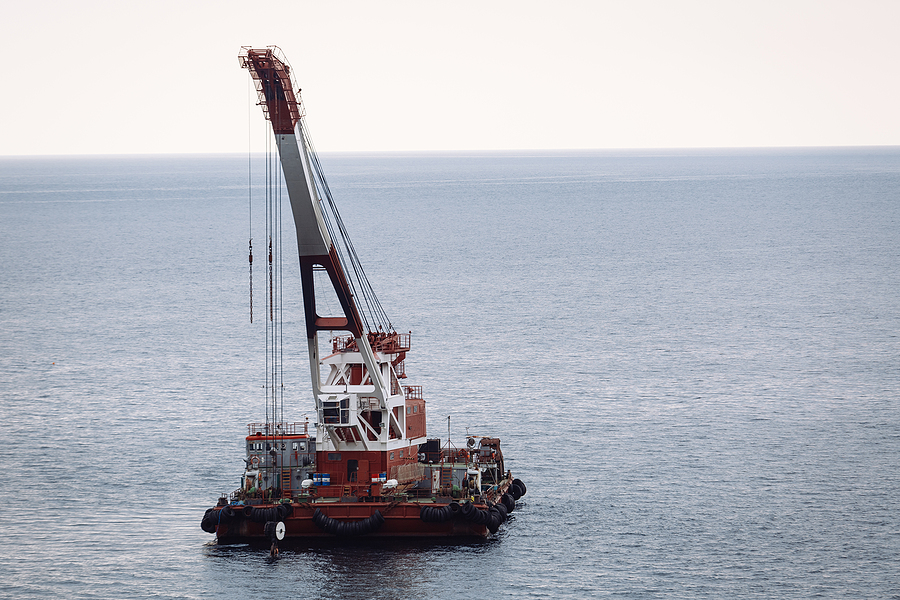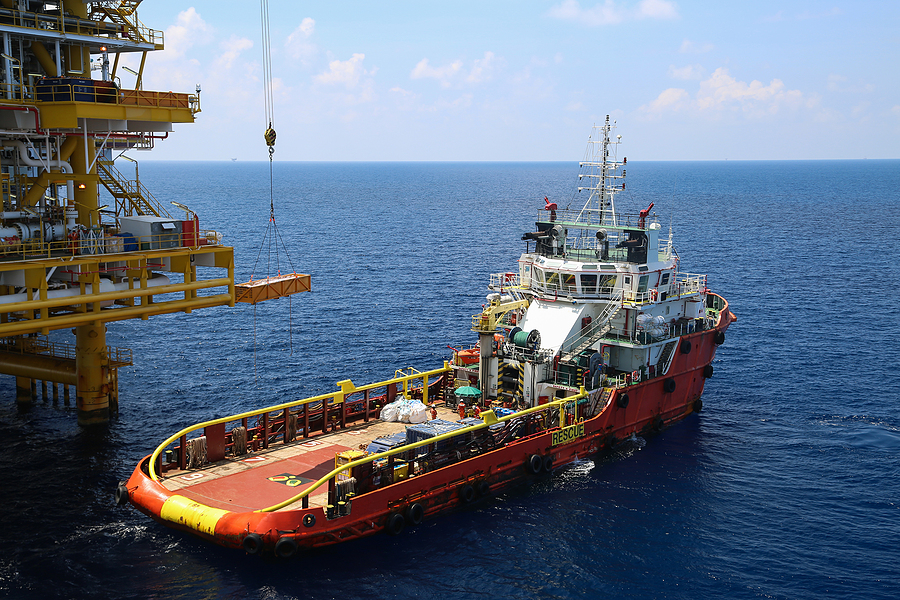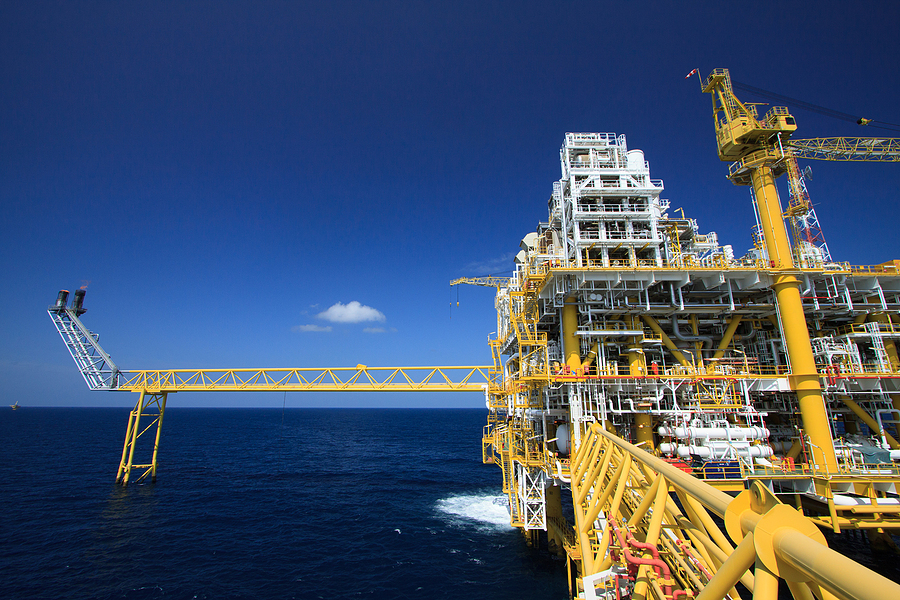
Marine crane operations are fundamentally different from land-based lifting. Onshore crane work already requires careful planning, but when you add wind, waves, tides, currents, and vessel movement, the level of complexity increases dramatically. For companies operating in marine construction, offshore logistics, shipyards, or port environments, understanding how weather and ocean conditions affect crane performance is not optional. It is essential for safety, efficiency, and project success.
If you’ve ever watched a marine lift in open water, you already know one thing: nothing stays perfectly still. The vessel moves, the load moves, and the environment is constantly changing. That is why weather and currents are two of the most critical variables influencing marine crane operations.
Let’s take a look at exactly how environmental conditions impact lifting performance, operational planning, equipment stability, and long-term safety in marine crane projects.
Why Marine Crane Operations Are More Sensitive to Weather Than Land-Based Lifts
On land, cranes typically operate on stable ground with predictable environmental conditions. At sea or along the coast, the crane’s base is often a floating vessel, barge, or dock structure that is constantly affected by external forces.
Wave motion, wind gusts, tidal shifts, and ocean currents all introduce dynamic movement that directly impacts lift precision. Offshore crane systems must account for vessel heave, roll, and pitch, which transfer motion down the lifting line and into the suspended load.
This means even a routine lift can become significantly more complex in marine environments compared to inland projects.
The Impact of Wind on Marine Crane Stability and Load Control
Wind is widely considered the most immediate and dangerous weather factor affecting crane operations, especially in marine settings where exposure is higher and less sheltered.
Strong gusts can:
- Cause suspended loads to swing unpredictably
- Reduce lifting capacity
- Increase boom sway
- Compromise operator control
When lifting offshore or dockside, wind interacts not only with the crane but also with the load’s surface area. Large components, equipment modules, or containers act like sails, amplifying wind forces and increasing the risk of instability. High winds can make it difficult to maintain precise load placement and significantly increase safety risks during lifting operations.
In real-world marine operations, even moderate wind changes can require immediate adjustments to lift plans or full suspension of operations.
How Ocean Currents Influence Lift Accuracy and Vessel Positioning
While wind is highly visible, ocean currents are often the more subtle challenge in marine crane operations. Currents continuously affect vessel positioning, especially during offshore lifts or transfers between vessels and platforms.
If a vessel drifts due to strong currents, the crane’s lifting angle changes, which can place unexpected stress on the boom, rigging, and load line. Even small positional shifts can cause alignment issues during precision lifts such as equipment placement, subsea installations, or offshore construction.
Many marine vessels use dynamic positioning systems to maintain location against wind and current forces, automatically adjusting thrusters to stay locked onto a specific point.
However, strong currents can still introduce drift risks and operational delays if environmental conditions exceed system limits.
Wave Motion and Its Direct Effect on Offshore Lifting Operations
Wave action is one of the defining challenges of marine crane work. Unlike stationary cranes, marine cranes often operate on vessels that move vertically (heave), tilt (roll), and rotate (pitch) due to sea conditions.
These motions directly translate into dynamic loading on the crane and suspended payload. Offshore lifting environments experience higher dynamic load factors because vessel movement accelerates the load and increases tension on lifting equipment.
High waves can also cause barge-mounted cranes to move unpredictably, reducing stability and increasing operational risk.
This is why offshore lifts often require advanced stabilization systems and real-time environmental monitoring.
Tidal Changes and Their Operational Implications
Tides are another major environmental factor that directly affects marine crane operations, particularly in coastal and port environments. Tidal fluctuations influence water depth, vessel clearance, and crane positioning near docks, piers, or offshore structures.
During low tide, reduced water depth can limit vessel maneuverability and restrict lift zones. During high tide, stronger tidal currents may increase drift and complicate positioning. Tidal movement can also affect barge stability and the angle of lift, especially during nearshore construction or infrastructure projects.
For marine crane operators, timing lifts around tidal windows is often a strategic decision rather than just a scheduling preference.
Rain, Storms, and Reduced Visibility Risks
Rain and storms introduce multiple operational hazards beyond simple wet conditions. Reduced visibility, slippery deck surfaces, and electrical risks all contribute to a higher safety threshold during marine lifting.
Visibility is especially critical because crane operations rely heavily on clear communication between operators, signalers, and deck crews. Fog, rain, or storm conditions can obscure visual cues and compromise coordination during lifts.
Additionally, heavy storms combine wind, waves, and precipitation into a compounded risk scenario that may require a full operational shutdown until conditions stabilize.
Temperature Extremes and Equipment Performance at Sea
Temperature is another environmental factor that affects marine crane operations more than many people realize. Extreme heat can impact hydraulic systems, fluid viscosity, and electronic controls, while extreme cold can stiffen mechanical components and reduce operational responsiveness.
High temperatures can lead to equipment overheating or hydraulic fluid breakdown, requiring increased inspection and adjusted load planning.
In colder marine environments, freezing spray and icing can accumulate on crane structures, increasing weight and wind drag, which directly impacts lifting safety.
These environmental stresses demand specialized maintenance and operational protocols.
The Role of Active Heave Compensation in Rough Seas
Modern marine cranes often incorporate advanced technologies like active heave compensation (AHC) to counteract wave-induced motion. AHC systems detect vessel movement and automatically adjust crane operation to keep the load stable relative to the seabed or target position.
This technology is particularly valuable during offshore construction, subsea installations, and precision equipment placement, where load accuracy is critical. Without compensation systems, even moderate sea states could make precise lifting nearly impossible.
Salt Spray, Humidity, and Long-Term Equipment Wear
Marine environments expose cranes to constant salt spray, humidity, and corrosive conditions. Over time, these factors accelerate wear on mechanical components, electrical systems, and structural elements.
Operating a crane at sea means continuous exposure to wind, salt, moisture, and temperature extremes that inland cranes rarely experience.
This environmental exposure can reduce equipment lifespan if maintenance and protective measures are not properly implemented.
Routine inspections, corrosion-resistant materials, and marine-grade components are essential for maintaining crane reliability in these harsh conditions.
How Weather Forecasting Improves Marine Lift Planning
Successful marine crane operations rely heavily on proactive planning rather than reactive decision-making. Weather forecasting allows operators to schedule lifts during optimal environmental windows and avoid high-risk conditions.
Monitoring wind speed, wave height, tidal patterns, and storm forecasts helps reduce delays, protect equipment, and maintain crew safety. Weather conditions significantly influence crane safety, efficiency, and project timelines, making planning and preparation essential in adverse environments.
In many marine projects, environmental forecasting is integrated directly into lift planning procedures.
Safety Risks of Ignoring Weather and Current Conditions
Ignoring environmental factors during marine crane operations can lead to severe consequences, including load instability, equipment damage, and safety incidents. Strong swell, wind, and current combined with positioning challenges can create hazardous operational scenarios during vessel transfers and crane lifts, highlighting the importance of environmental awareness in offshore work.
Even highly experienced crews must respect environmental limits, as marine conditions can change rapidly and unpredictably.
Operational Delays and Cost Impacts Caused by Environmental Conditions
Weather and currents do not just affect safety. They also impact project timelines and operational costs. High winds, rough seas, and poor visibility can delay lifts, halt offshore construction, and extend project durations.
Marine construction and lifting operations often experience delays due to environmental conditions such as heavy rainfall, fog, spray, and unstable sea states that limit safe working windows.
These delays must be factored into scheduling, logistics, and budgeting for marine projects.
Training and Experience: A Critical Factor in Marine Crane Operations
Because of the unpredictable nature of marine environments, operator training plays a major role in safe and efficient crane use. Crews must understand how to adjust lifting techniques based on wind speed, wave motion, and current strength.
This includes:
- Real-time environmental monitoring
- Dynamic lift adjustments
- Emergency shutdown procedures
- Communication protocols during low visibility
Experienced marine crane operators are trained to adapt to changing conditions rather than relying on static lift plans.
The Importance of Stabilization Systems and Vessel Control
Stability is the foundation of safe marine crane operations. Barge-mounted and offshore cranes often use anchors, spuds, or dynamic positioning systems to maintain stability during lifts in open water.
Without proper stabilization, environmental forces can shift the crane’s base, increasing the risk of load swing, misalignment, or structural stress during lifting operations.
Environmental Awareness Is Essential for Safe Marine Crane Operations
Weather and currents are not just background factors in marine crane operations. They are primary operational variables that directly influence lift safety, accuracy, equipment performance, and project timelines. Wind, waves, tides, temperature, and ocean currents all interact simultaneously, creating a constantly changing environment that requires specialized expertise and planning.
Unlike land-based lifting, marine crane operations demand continuous environmental monitoring, adaptive lift strategies, and advanced stabilization technologies to ensure safe and efficient performance. Companies operating in marine construction, offshore logistics, and port environments must prioritize environmental awareness as a core part of operational planning.
Partner with DMW Marine Group for Reliable Marine Crane Solutions
At DMW Marine Group, we understand the unique challenges that weather, currents, and offshore conditions pose to marine crane operations. Our team is experienced in handling complex marine lifting environments with a focus on safety, precision, and operational efficiency.
It doesn’t matter whether your project involves offshore lifting, marine construction support, or specialized crane operations in challenging conditions; contact us to learn how our expertise and marine-ready equipment can help you complete your project safely and successfully, even in the most demanding weather and sea environments.