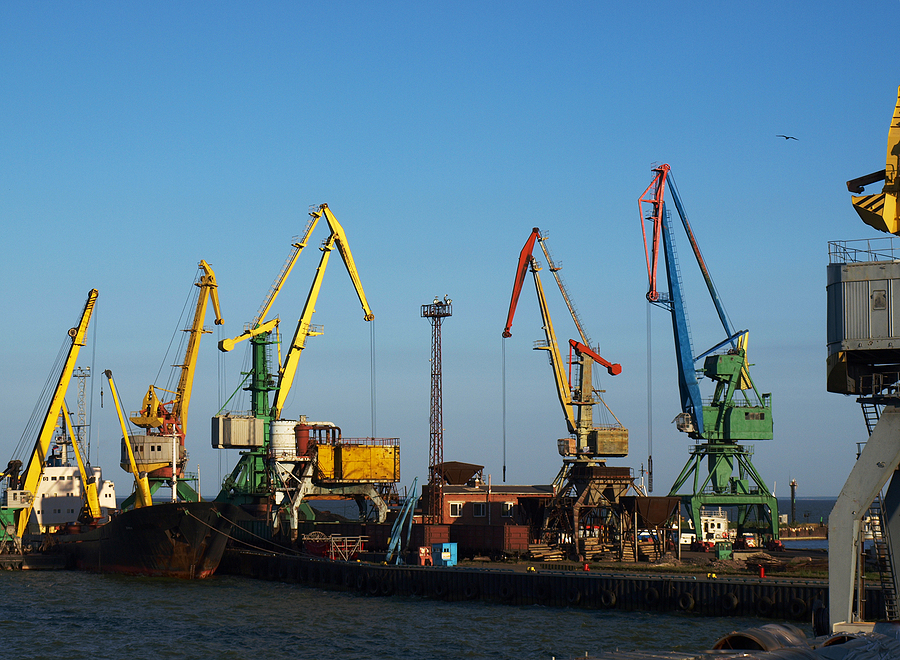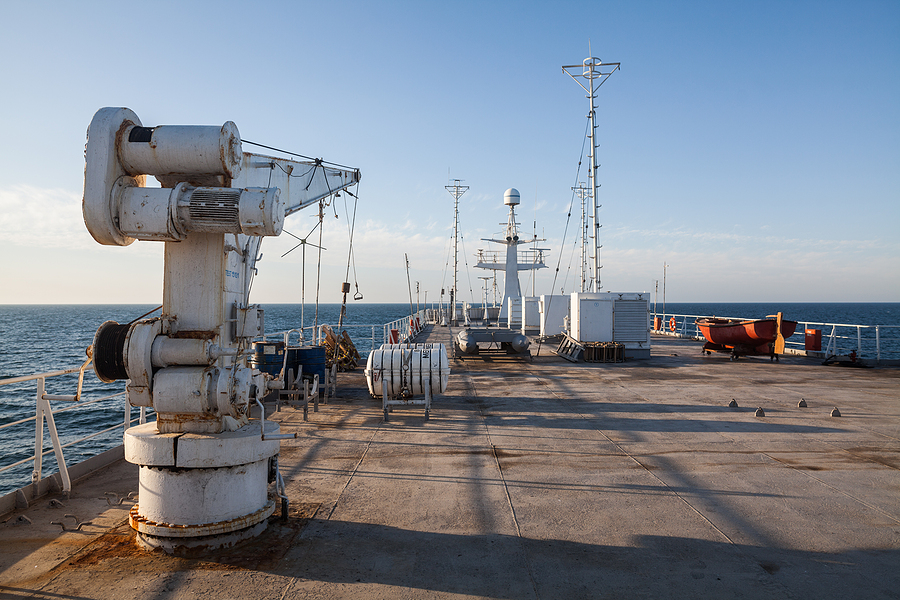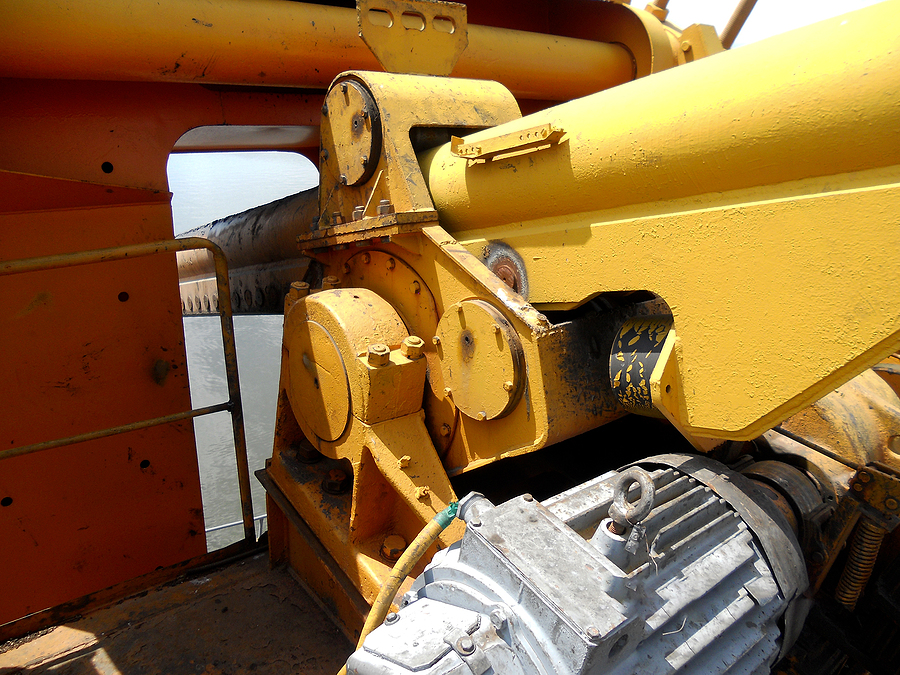
In the world of heavy lifting and material handling, not all cranes are created equal. When it comes to comparing marine cranes vs. land cranes, understanding their core differences is essential, especially for industries that rely on efficiency, safety, and precision in extreme environments. While both crane types serve the same primary purpose, lifting and transporting heavy loads, their design, function, and application are dictated by very different operating conditions.
So what sets them apart? From structural requirements to environmental challenges, let’s explore the key differences between marine cranes and land cranes—and why it matters.
Understanding Marine Cranes
Marine cranes are specifically engineered for offshore and maritime use. You’ll find them on ships, oil rigs, barges, and docks, where they handle cargo, provisions, and equipment under constantly changing conditions.
Unlike cranes used on stable ground, marine cranes must deal with a dynamic base. The constant motion of waves, tides, and vessel shifts means these cranes must be designed to maintain stability, precision, and safety.
These cranes are often equipped with features like active heave compensation (AHC), corrosion-resistant materials, and specialized hydraulic systems. Their ability to operate under harsh weather conditions and saltwater exposure makes them essential for maritime operations.
Land Cranes: Built for Stability
In contrast, land cranes are typically used in construction, manufacturing, and logistics operations. They operate on solid ground and have the benefit of a predictable, stable base. This allows for more traditional crane configurations, such as tower cranes, mobile cranes, and overhead gantry cranes.
Because they’re not exposed to marine elements, land cranes don’t require the same levels of weatherproofing or motion compensation. Instead, their design is optimized for height, load capacity, and terrain adaptability. Whether lifting steel beams at a high-rise construction site or unloading pallets in a warehouse, land cranes offer power and precision without the added complexity of ocean dynamics.
Design and Structural Differences
When comparing marine cranes vs. land cranes, one of the most obvious distinctions is in their structural design. Marine cranes are often more compact and reinforced, made with stainless or galvanized steel to resist corrosion. They frequently include enclosed cabs, sealed components, and protective coatings that allow them to withstand high humidity and salt exposure.
Land cranes, on the other hand, prioritize reach and lifting height. Tower cranes, for instance, are built tall and slender to rise above building sites, while mobile cranes feature extendable booms and outriggers to handle different terrains. Their frames are typically lighter than those of marine cranes, as they don’t need the same level of environmental protection.
Operational Environments and Mobility
Another major difference lies in where and how these cranes operate. Marine cranes must contend with rolling seas, high winds, and limited space. Their mobility is often restricted to fixed positions on vessels or offshore platforms. The equipment must remain functional even when the vessel is in motion, requiring advanced stabilization systems.
Land cranes operate in a more predictable environment. They can be moved easily between job sites, adjusted for slope, and set up with various attachments to suit different projects. Their mobility and versatility make them indispensable across industries like construction, energy, and transportation.
Safety and Load Management
Safety is a top priority for any lifting equipment, but the conditions under which marine and land cranes operate create different challenges. Marine cranes need to compensate for vessel movement to avoid load swings that can endanger crew or equipment. Features like anti-sway technology, load monitoring systems, and precision controls are standard in most modern marine cranes.
Land cranes, while not subject to ocean movement, must contend with wind loads, uneven ground, and lifting at extreme heights. They require careful setup, including load charts and stability analysis, to prevent tipping or structural failure. Rigorous safety protocols and inspections are mandatory in both scenarios, but the nature of the hazards is different.
Applications and Use Cases
Marine cranes are essential for operations like offshore drilling, cargo loading at ports, anchor handling, and deep-sea research. They are designed for vertical and horizontal handling of heavy equipment on ships and platforms. Their compact size and adaptability to marine vessels make them the go-to solution for offshore logistics.
Land cranes are more commonly associated with civil construction, roadwork, industrial installations, and logistics hubs. From lifting bridge beams to installing HVAC systems on rooftops, their role is widespread and adaptable to countless land-based scenarios.
Maintenance and Durability
Due to the demanding nature of marine environments, marine cranes require more frequent maintenance and inspections. Saltwater corrosion, humidity, and mechanical wear from wave motion can take a toll on parts. As a result, marine cranes are often built with robust materials and require specialized maintenance schedules.
Land cranes, although exposed to weather and terrain, face less corrosive environments. Routine lubrication, cable checks, and structural inspections keep them operational. Their maintenance tends to be more straightforward and cost-effective compared to marine cranes.
Integration with Other Systems
Marine cranes are often integrated with shipboard systems like dynamic positioning (DP), ballast control, and navigation tools. Their operation may be coordinated with winches, remotely operated vehicles (ROVs), or subsea equipment. Because these cranes often support critical offshore operations, integration with broader marine systems is essential.
Land cranes, by contrast, are usually stand-alone units or tied into building information modeling (BIM) systems in large-scale construction. They may also connect with inventory management platforms in warehouses, but generally, their integrations are less complex than those found in maritime settings.
Cost and Customization
Marine cranes tend to be more expensive due to their specialized design, materials, and engineering. Customization is often necessary to suit the exact specifications of the vessel or offshore platform. Their complex setup and demanding conditions require significant investment.
Land cranes benefit from mass production and standardized designs. While custom builds are available, many land-based applications can be met with stock models, making them more affordable and accessible for smaller operations.
Choosing the Right Crane for the Job
Understanding the key differences between marine cranes and land cranes is critical when selecting the right equipment for your project. Whether you’re operating in an offshore oil field or a downtown construction site, the crane you choose must align with the environmental challenges, load requirements, and operational goals of your job.
At DMW Marine Group, we specialize in high-performance marine cranes designed to meet the unique demands of offshore environments. Our equipment is engineered for reliability, safety, and maximum lifting capacity in even the harshest conditions.
Discover the key differences between marine cranes vs. land cranes. Get expert guidance from DMW Marine Group. Call (484) 354-4662 today.