Platform supply vessels are the backbone of offshore logistics. They serve a variety of functions such as moving cargo, equipment, and consumables between shore bases and offshore installations on tight schedules and in unpredictable sea conditions. At the center of these operations are offshore cranes for platform supply vessels, which make safe, efficient deck handling possible day in and day out. Without properly specified lifting systems, PSV operations quickly become slower, riskier, and more expensive.
This is why PSV offshore cranes are engineered very differently from standard shipboard cranes. They are designed around continuous offshore use, vessel motion, and demanding operational cycles.
The Role of Cranes on Platform Supply Vessels
Cranes on PSVs are not occasional-use equipment. They are core operational tools used during nearly every voyage. Whether loading cargo at port or transferring supplies offshore, the crane directly affects turnaround time and overall vessel efficiency.
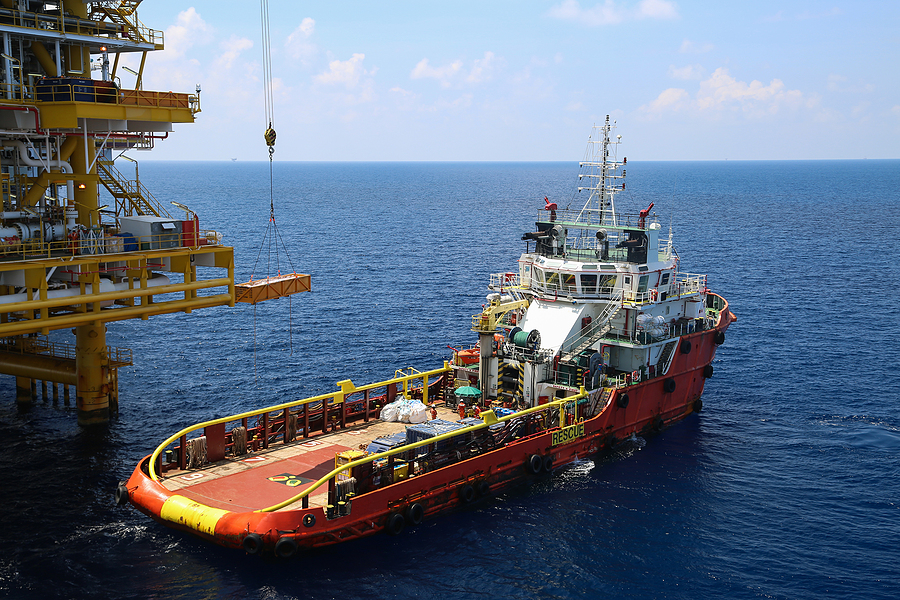
On a typical PSV, the crane supports deck cargo handling, container and basket movements, project equipment placement, and specialized lifts during offshore operations. Many of these tasks are performed while the vessel is influenced by waves, wind, and dynamic positioning corrections. That combination of motion and load handling makes crane performance and control critical.
Unlike heavy-lift construction vessels, PSVs usually prioritize versatility and reliability over extreme lifting capacity. The crane must be capable of handling a wide range of loads efficiently rather than performing a small number of very heavy lifts.
What Makes PSV Offshore Cranes Different
PSV offshore cranes are purpose-built for offshore logistics rather than general cargo handling. Their design focuses on control, durability, and deck efficiency.
One of the most important differences is how these cranes manage vessel motion. Smooth hoisting, slewing, and luffing characteristics help operators maintain load stability when sea conditions are less than ideal. Crane geometry is also optimized to provide broad deck coverage without interfering with cargo layouts or reducing usable deck space.
Durability is another defining factor. Platform supply vessels often operate on frequent rotations, meaning crane systems experience repeated loading cycles with little downtime. Components, control systems, and structural elements are designed to withstand that constant use while maintaining predictable performance.
Common Crane Configurations Used on PSVs
While specifications vary by vessel size and mission, several crane configurations are commonly used on platform supply vessels:
- Knuckle boom cranes, favored for their compact stowage and flexibility on crowded decks
- Telescopic boom cranes, offering adjustable outreach for variable cargo layouts
- Fixed boom or lattice cranes, typically selected for larger PSVs with heavier or longer-reach requirements
Each configuration is selected based on deck layout, typical cargo profiles, and operational priorities rather than lift capacity alone.
Safety Considerations in PSV Crane Operations
Safety is a primary concern for offshore cranes for platform supply vessels, especially during offshore transfers and deck operations in rough weather. Modern PSV offshore cranes typically incorporate:
- Load monitoring and overload protection systems
- Emergency stop functions and fail-safe braking
- Clear operator sightlines or camera-assisted visibility
- Control systems designed for smooth, predictable movement
These features reduce risk for crew members working near active lifting zones and help operators maintain control in dynamic conditions.
Corrosion Protection and Offshore Durability
PSVs operate in some of the most corrosive environments in the maritime industry. Salt spray, humidity, UV exposure, and constant washdown can quickly degrade crane components if corrosion protection is inadequate.
For this reason, offshore cranes for platform supply vessels are typically built with high-performance coating systems, corrosion-resistant materials, and sealed hydraulic and electrical components. Proper corrosion protection not only extends service life but also reduces unplanned downtime and long-term maintenance costs.
Integration With Vessel Systems
Modern PSV offshore cranes are increasingly integrated with other onboard systems. This integration improves operational awareness and supports safer decision-making during offshore operations.
Crane data may interface with vessel power systems, monitoring platforms, or dynamic positioning workflows. When properly integrated, these systems help crews coordinate lifting operations with vessel movement, improving overall efficiency.
Choosing the Right Crane for a PSV
Selecting offshore cranes for platform supply vessels is a strategic decision that affects vessel capability, safety, and commercial value. Crane selection should always be based on real operating conditions rather than theoretical maximums.
Factors such as typical cargo weights, deck layout, operating regions, and maintenance capabilities all influence the ideal crane specification. Working with an experienced marine crane provider ensures the crane supports the vessel’s mission instead of limiting it.
Final Thoughts
Offshore cranes for platform supply vessels are mission-critical systems that support daily offshore logistics. From port operations to offshore transfers, PSV offshore cranes must perform reliably in demanding conditions while maintaining safety and efficiency. When properly specified, integrated, and maintained, these cranes become a long-term asset that enhances vessel performance and operational flexibility.
To learn more about engineered offshore crane solutions for platform supply vessels, contact DMW Marine Group to speak with their team about your PSV requirements.