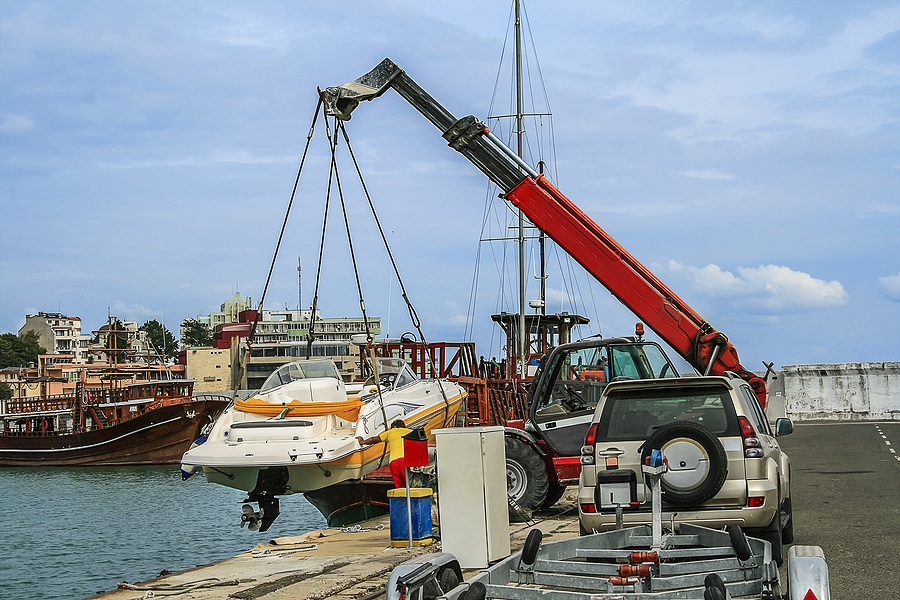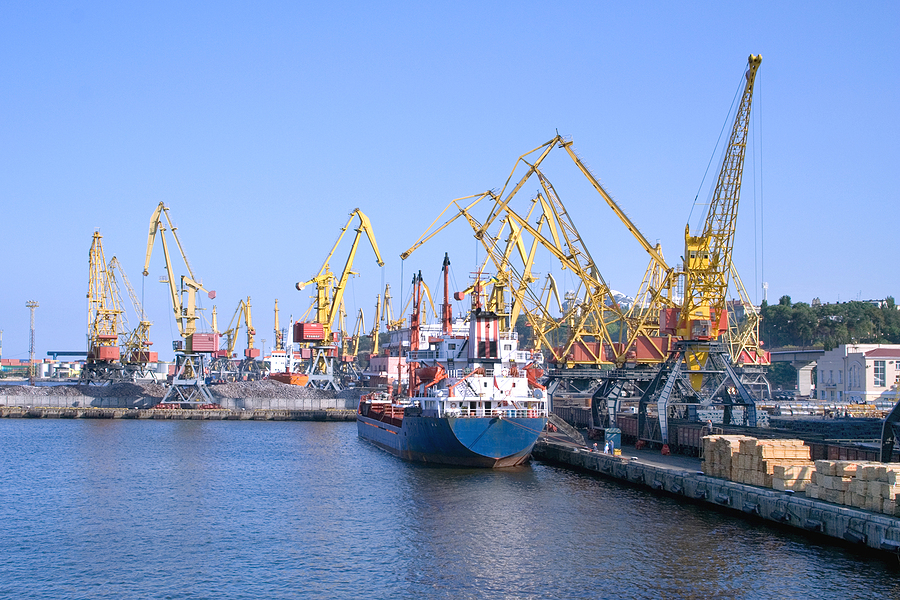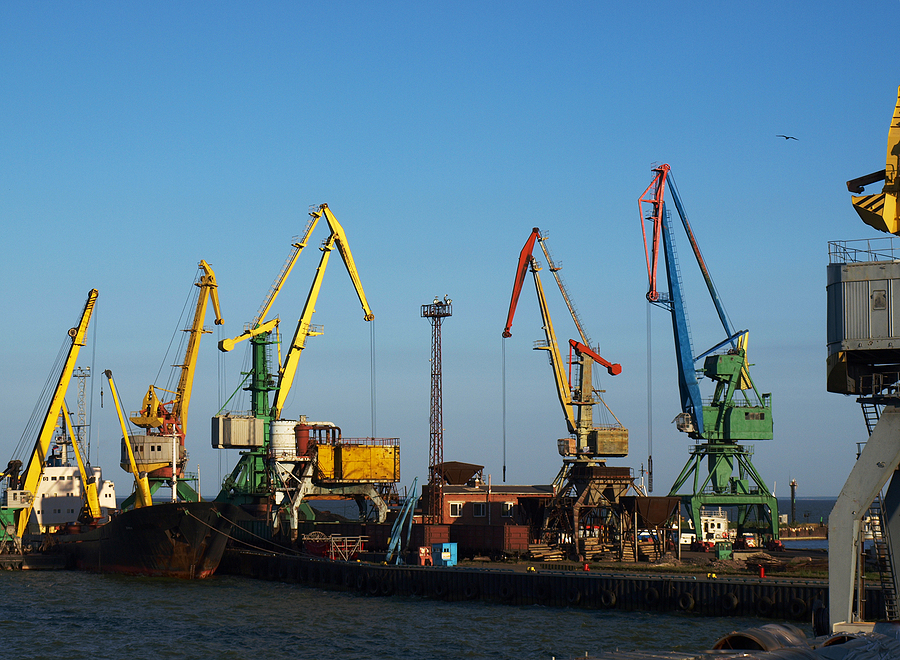
Offshore cranes are essential tools in the global shipping and maritime industries. They can handle heavy loads and complex tasks in some of the most challenging environments. Whether moving cargo between ships and platforms or supporting offshore construction projects, these cranes are the backbone of operations at sea.
The role of these cranes in shipping goes beyond lifting and moving goods; they enhance efficiency, ensure safety, and are crucial assets for offshore industries such as oil and gas, wind energy, and marine transportation.
What Are Offshore Cranes?
Offshore cranes are specialized lifting devices designed for marine environments. They are engineered to withstand the harsh conditions often encountered at sea, such as high winds, waves, and corrosive saltwater.
Unlike land-based cranes, offshore cranes need to be more resilient and capable of handling both the environmental stresses and the complexities of operating on vessels that are in constant motion.
These cranes are typically installed on ships, oil rigs, and offshore platforms. They are used for various tasks, from loading and unloading cargo to placing heavy machinery on offshore structures.
These cranes are crucial for maintaining the steady flow of materials and goods, without which many industries would face significant disruptions in their operations.
Offshore Crane Benefits
One of the most significant benefits of these cranes is the efficiency they bring to shipping operations. In the maritime industry, time is often equivalent to money, and delays can be costly.
Offshore cranes allow for faster loading and unloading of cargo, reducing the time vessels spend in port or at sea waiting for transfers to be completed. This speed and efficiency enable companies to maintain tight schedules and deliver goods on time, which is vital in a competitive market.
Additionally, the ability of these cranes to handle large and bulky loads means fewer lifts are required to move the same amount of cargo, further speeding up the process. Whether it’s moving heavy equipment for offshore construction or transferring containers between ships, the enhanced capabilities of these cranes help shipping companies save both time and resources.
Enhanced Safety Features of Offshore Cranes
Safety is always a top concern in offshore operations, where unpredictable weather and rough seas can create hazardous conditions. These cranes are designed with advanced safety features to protect both the operators and the equipment being handled.
For example, they are equipped with sophisticated control systems that help stabilize loads even when the platform or ship is in motion.
In many cases, these cranes are used to transfer personnel between vessels or platforms. In such scenarios, precision and safety are paramount, and offshore cranes have the technology needed to ensure safe and smooth transfers. The advanced control systems also reduce human error, which can be a significant factor in accidents.
Cranes Provide Durability in Harsh Conditions
Offshore cranes are built to last in some of the most extreme environments on the planet. Constant exposure to saltwater, heavy winds, and shifting loads means that these cranes must be extremely durable.
Many of these cranes are made from corrosion-resistant materials and are equipped with special coatings to protect against rust and wear.
Moreover, the reliability of these cranes is vital to maintaining continuous operations. Breakdowns can lead to costly delays, and in some cases, stopping an operation altogether can be dangerous. The robust design and engineering of these cranes ensure that they can operate for long periods without the need for frequent maintenance or repairs.
Versatility Across Marine Industries
Offshore cranes are not limited to just shipping; they are used across a wide range of industries. In the oil and gas sector, for example, these cranes are essential for transporting equipment and materials to offshore platforms. They also play a significant role in the installation and maintenance of offshore wind farms, where their ability to handle heavy components such as turbines and blades is critical.
In the construction of bridges, docks, and other marine infrastructure, these cranes are indispensable. Their versatility allows them to be adapted for various types of work, from precision lifting in sensitive environments to heavy-duty tasks requiring enormous lifting capacities.
Supporting Sustainable Energy Projects
Offshore cranes are also playing an increasing role in the development of renewable energy sources, particularly offshore wind farms. As the world transitions toward greener energy, these cranes are critical in installing and maintaining wind turbines, which are often located in deep waters where other types of cranes cannot operate.
Without a doubt, cranes are helping to make offshore wind energy projects more viable by providing the necessary support for the construction and operation of wind farms.
Challenges in Offshore Crane Operations
While offshore cranes offer many benefits, they are not without their challenges. Operating in harsh maritime environments can put significant stress on both the equipment and the operators. Cranes must be maintained regularly to ensure they remain in good working condition, and skilled operators are needed to handle the complexities of offshore lifts.
The movement of vessels at sea introduces another layer of complexity. Offshore crane operators need to account for factors like wave motion, wind speed, and the stability of the platform they are working from.
Despite these challenges, advancements in technology continue to make these cranes safer, more efficient, and more capable of handling even the most demanding tasks.
The Future of Offshore Cranes
As industries like shipping, oil, gas, and renewable energy continue to expand, the demand for offshore cranes will likely grow. The push toward more sustainable energy sources, in particular, will drive innovation in crane technology, with a focus on making offshore operations even more efficient and environmentally friendly.
The future of these cranes lies in their ability to adapt to these changing demands while continuing to offer the reliability and performance that industries have come to depend on.
Importance of Offshore Cranes
Offshore cranes are the unsung heroes of the maritime and offshore industries. They provide the essential lifting power needed to keep operations running smoothly, safely, and efficiently.
The importance of these cranes cannot be overstated. From handling cargo in shipping to supporting offshore energy projects, they will remain a critical component of the maritime world as technology advances and industries evolve.
For more information on offshore crane solutions tailored to your needs, contact DMW Marine Group.