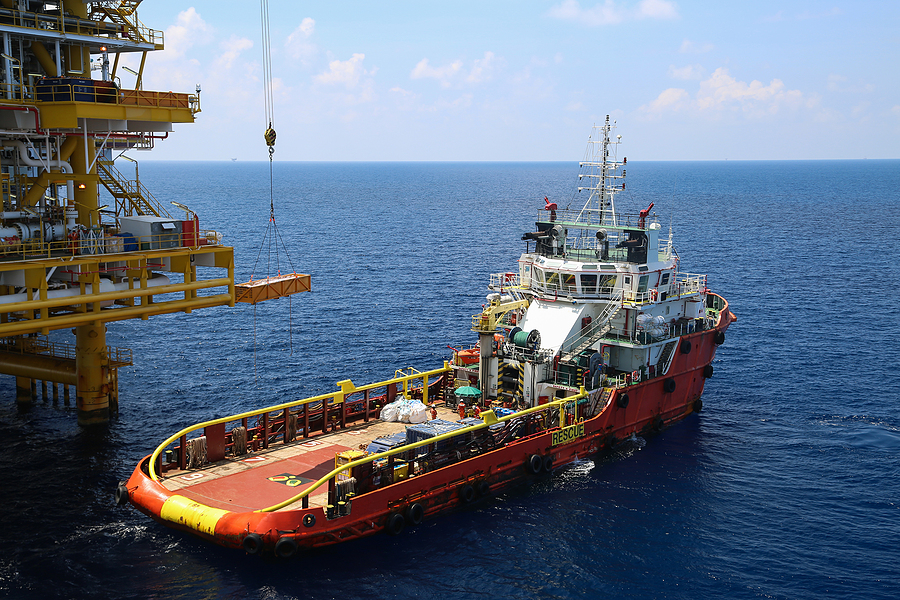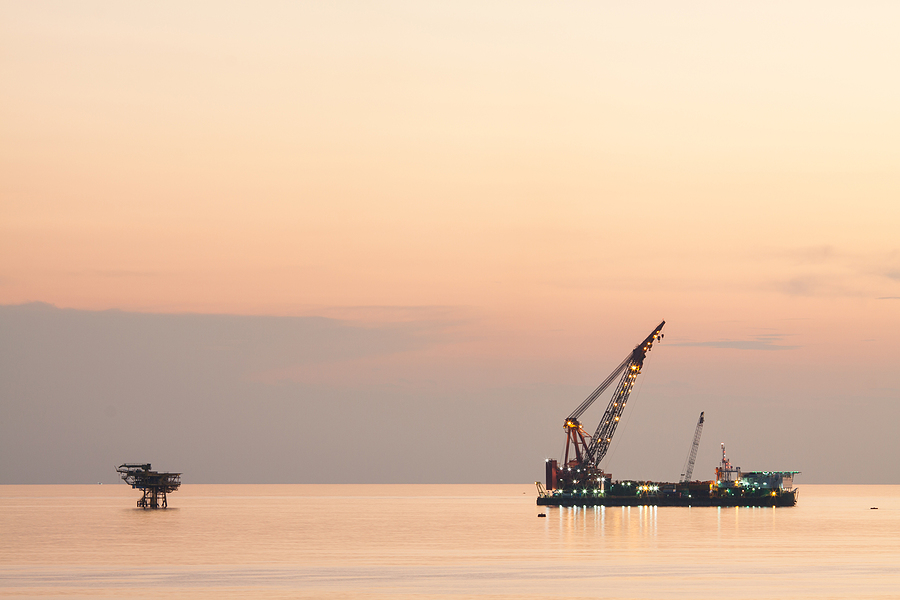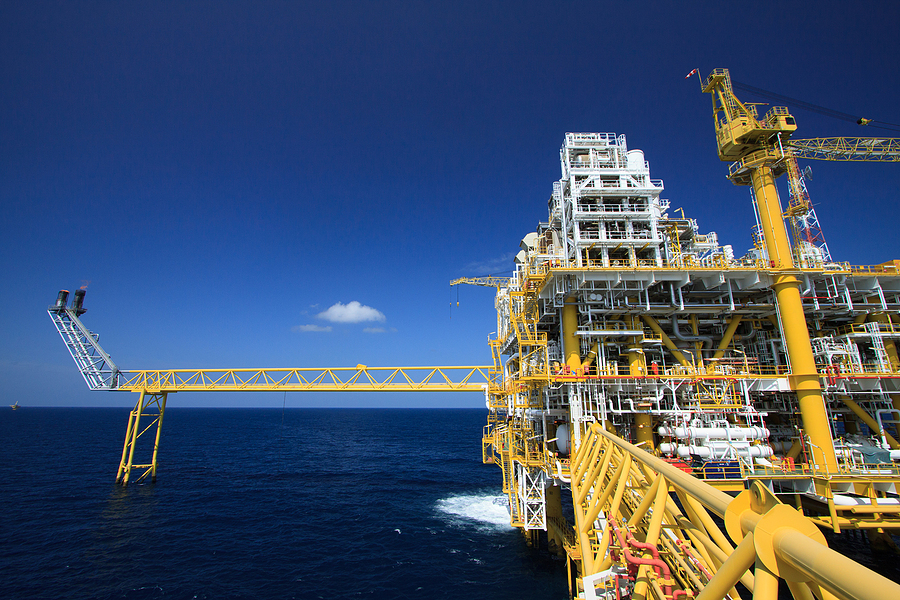
Operating a crane on a barge introduces a completely different set of risks compared to land-based lifting. On solid ground, crane stability is largely dependent on soil conditions, outriggers, and load calculations. On a barge, however, the entire lifting platform is floating, constantly reacting to waves, wind, currents, and load shifts. That means stability is never static. It is dynamic, and that dynamic environment significantly increases the risk of tipping if proper precautions are not taken.
Crane tipping on a barge is one of the most serious hazards in marine lifting operations. It can result in equipment loss, cargo damage, environmental incidents, and severe safety risks for crew members. Understanding why tipping happens and how to prevent it is essential for any project involving marine cranes, offshore lifting, dock construction, or heavy barge-based operations.
Why Crane Stability Is More Complex on a Barge
Unlike land cranes that sit on fixed ground, barge-mounted cranes operate on a floating platform that is constantly influenced by external forces. Even in relatively calm water, a barge will experience movement from wave action, wind pressure, and current drift.
This movement affects the crane’s center of gravity. When a load is lifted, the combined weight of the crane, load, and barge shifts the overall balance of the system. If that balance moves beyond safe stability limits, the risk of tipping increases dramatically.
On land, stability calculations are based on fixed ground reactions. On a barge, operators must account for buoyancy, displacement, and shifting weight distribution, which makes lift planning far more complex.
The Most Common Causes of Crane Tipping on Barges
Crane tipping rarely happens due to a single mistake. In most cases, it is the result of multiple contributing factors that combine during a lift. One of the leading causes is improper load calculation. If the weight of the load or lifting radius is underestimated, the crane may exceed its safe operating capacity.
Another major factor is sudden load movement. When a suspended load begins to swing due to wind or vessel motion, it creates dynamic forces that place unexpected stress on the crane and barge stability.
Improper barge positioning also contributes to tipping risks. If the barge is not properly anchored or stabilized, it can drift or rotate during a lift, shifting the crane’s balance point. Environmental conditions such as strong winds, waves, and currents further amplify these risks by introducing unpredictable motion.
How Load Radius and Boom Angle Affect Tipping Risk
One of the most critical stability factors in any crane operation is load radius, which is the horizontal distance between the crane and the load. The farther the load is from the crane’s center, the greater the tipping force.
On a barge, this effect is even more pronounced because the floating platform reacts to the extended load. A long boom extension combined with heavy lifting creates leverage that can destabilize both the crane and the barge if not carefully managed.
Boom angle also plays a major role. Lower boom angles with extended reach place more strain on stability compared to steeper lifting angles. Marine lift planning must carefully consider these factors to maintain a safe center of gravity throughout the operation.
The Impact of Wind on Barge Crane Stability
Wind is one of the most underestimated tipping hazards in marine crane operations. Over open water, wind speeds are often stronger and less obstructed than on land. This increases pressure on both the crane structure and the suspended load.
Large loads, especially equipment modules, containers, or structural components, can act like sails when exposed to wind. This creates a lateral force that causes the load to swing and shift unexpectedly. When combined with barge movement, this can rapidly alter the stability profile of the crane.
Even moderate wind gusts can introduce dynamic forces that exceed static load calculations, making environmental monitoring essential before and during lifting operations.
Wave Motion and Dynamic Load Forces
Wave action adds another layer of complexity that directly impacts crane tipping risk. As waves pass under the barge, the platform experiences heave (vertical movement), roll (side-to-side motion), and pitch (forward and backward tilting).
These movements create dynamic loading, meaning the force applied to the crane changes constantly rather than remaining steady. A load that appears stable at one moment can suddenly shift as the barge rises or tilts with wave motion.
Dynamic forces can significantly increase the effective load on the crane, even if the actual weight of the object does not change. This is why marine lifts often require more conservative capacity limits compared to land-based operations.
The Role of Barge Size and Weight Distribution
Barge selection is a critical factor in preventing crane tipping. A barge that is too small or improperly loaded may not provide adequate stability for lifting operations. The weight of the crane, fuel, equipment, and cargo must be evenly distributed to maintain proper balance.
Uneven weight distribution can cause the barge to list to one side, reducing the crane’s safe operating margin. During lifting, the barge may shift further if the load is not aligned with the center of buoyancy.
Larger barges with higher displacement capacity generally provide greater stability, but they still require careful load planning and positioning to ensure safe operations.
Mooring and Anchoring: A Key Stability Factor
Proper mooring and anchoring are essential for maintaining barge’s position during crane operations. If the barge drifts due to currents or wind, the crane’s lifting radius and load alignment can change unexpectedly.
Anchoring systems, spud barges, and dynamic positioning techniques are commonly used to keep the platform stable. These systems help resist environmental forces and reduce unwanted movement during lifts.
Without adequate mooring, even a well-planned lift can become hazardous if the barge shifts mid-operation.
Operator Experience and Communication Challenges
Human factors play a significant role in preventing crane tipping incidents. Marine crane operators must constantly monitor environmental conditions, load behavior, and vessel movement while coordinating with deck crews and rigging teams.
Clear communication is critical, especially during complex lifts involving multiple crew members. Miscommunication can lead to sudden load movements, improper rigging adjustments, or delayed responses to changing conditions.
Experienced operators are trained to anticipate environmental shifts and adjust lifting techniques accordingly, which significantly reduces tipping risks.
Pre-Lift Planning and Risk Assessment
Preventing crane tipping on a barge starts long before the lift begins. Comprehensive pre-lift planning includes evaluating environmental conditions, load weight, lifting radius, barge stability, and equipment limitations.
Risk assessments help identify potential hazards such as high winds, strong currents, or restricted operating space. By addressing these factors in advance, crews can implement mitigation strategies rather than reacting to emergencies during the lift.
Detailed lift plans are especially important for offshore construction, heavy equipment transfers, and marine infrastructure projects where precision and safety are paramount.
Load Monitoring and Real-Time Adjustments
Modern marine crane operations often rely on real-time load monitoring systems to enhance safety. These systems track load weight, boom angle, and stability conditions throughout the lift.
Real-time data allows operators to make immediate adjustments if conditions begin to approach unsafe limits. This proactive approach significantly reduces the likelihood of tipping incidents caused by unexpected load shifts or environmental changes.
Continuous monitoring is particularly valuable in offshore environments where conditions can change rapidly.
Safety Protocols That Help Prevent Tipping Incidents
Strict safety procedures are one of the most effective ways to prevent crane tipping on barges. This includes adhering to load charts, maintaining proper rigging practices, and suspending operations when environmental conditions exceed safe thresholds.
Regular equipment inspections also play a role in ensuring crane components, hydraulic systems, and structural elements are functioning correctly. Mechanical failures can contribute to instability if not identified early.
Training programs and emergency response planning further strengthen operational safety by preparing crews to react quickly to potential instability situations.
Consequences of a Crane Tipping Incident
A crane tipping on a barge can have severe operational and financial consequences. Equipment damage alone can result in costly project delays and repairs. If the crane or load falls into the water, recovery operations become complex and expensive.
There are also environmental risks, especially if fuel, hydraulic fluids, or hazardous materials are involved. Additionally, tipping incidents pose serious safety threats to crew members working on deck or nearby vessels.
Because of these risks, prevention is always far more cost-effective and safer than dealing with the aftermath of a tipping event.
Prevention Through Planning, Stability, and Expertise
Crane tipping on a barge is not just a theoretical risk. It is a real hazard that can occur when environmental forces, improper planning, and operational errors combine. However, with the right equipment, experienced operators, proper barge selection, and detailed lift planning, these risks can be significantly reduced.
Understanding the impact of load dynamics, weather conditions, vessel movement, and stability calculations is essential for safe marine crane operations. Every lift on a barge requires a higher level of awareness and preparation compared to land-based lifting.
At DMW Marine Group, we specialize in marine crane systems designed for stability, safety, and performance in demanding offshore and barge-based environments. Our equipment and expertise support complex marine lifting operations where precision and reliability are critical.
If your project involves barge-mounted crane operations or offshore lifting, contact us to learn how our marine crane solutions can help you operate safely, efficiently, and with confidence in challenging marine conditions.