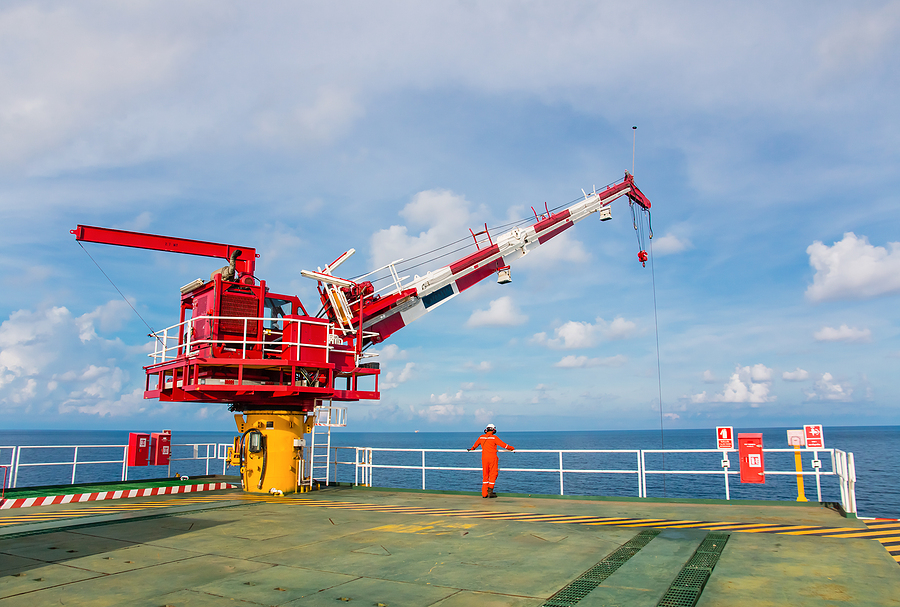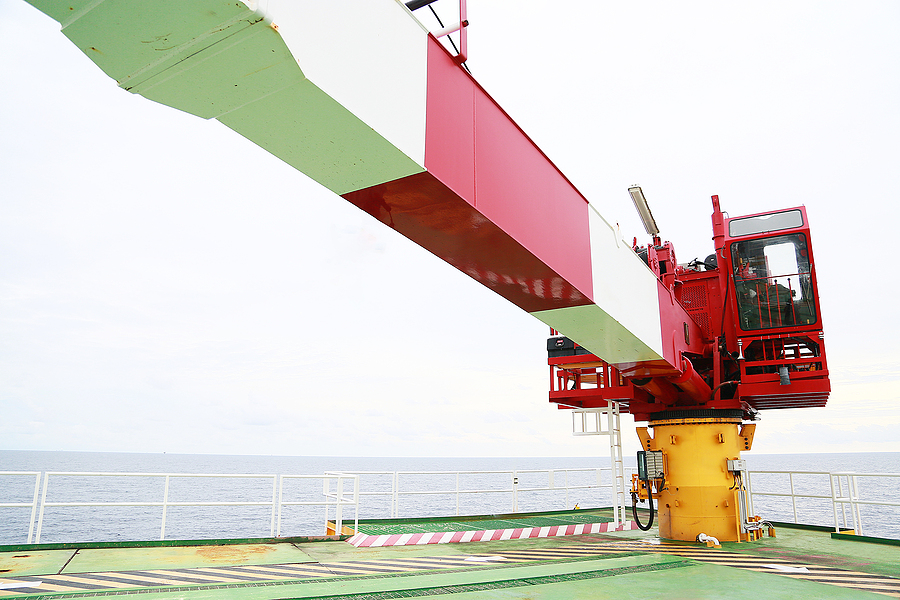
The load will be in the same position at the beginning of your shift as it was the previous day. With a crane hook floating over an empty area of deck. Crew are walking around the load discussing what needs to be done to complete the lift. This could be what you experience at the start of a day working on a heavy lift crane vessel. There is usually more involved than just the lift itself.
Lets say we are about to lift a heavy lift cargo item onto an offshore structure. This is just one example of a day’s work. It may vary depending on the weather or condition of the vessel/load.
A Lot Happens Before You Start Lifting
First thing in the morning you will be briefed on what has been done by the previous watch and what still needs to be done on the deck of the vessel. After this you will be given a briefing on the upcoming lift.
You will want to know the weight of the cargo item, where the pick points are located. How far will you need to extend your crane to lift and set down your load. Do you have room to swing the load? When writing your lift plan you should consider all rigging used to lift the load, centers of gravity. Movement of the vessel, ballast, weather criteria and what will happen if the lift has to be stopped.
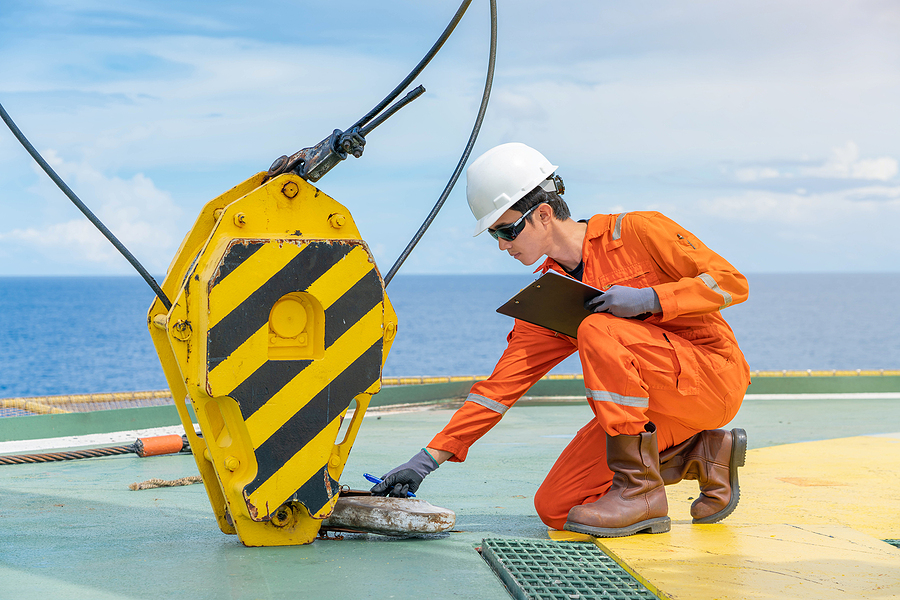
On deck your riggers will be rigging up and checking all of their lifting accessories. Other crew will be ensuring the area around the lift and landing zone is clear. Your crane operator will be carrying out pre-use checks in accordance with your vessel’s procedure. You want to find any faults before the load is lifted off the ground.
Your bridge team will also be keeping an eye on the vessel’s position and surrounding weather. Some vessels will use dynamic positioning to maintain station. Using ballast or an anti heel system to keep the vessel upright during a lift. Each vessel will have different ways of doing this. Even if it looks to those watching from shore that the crane is standing still.
Once the Load is in the Air
Your operator will begin to take tension on the load. Ensuring that the load and rigging are acting as expected. Once the load is clear of the ground it will be moved to its designated position. Depending on the size of your load it could take some time to get the load down into position.
There are many eyes on a lift and not all will be looking at the same things. Your rigger may have a good line of sight to one side of the load. Another crew member will have their eyes on the landing position. Your crane operator may not be able to see part of your load. All these crew will communicate using hand and voice signals to get the load in the right position.
Your crew may have to stop a lift due to changing wind speeds or the load not acting as it should. Sometimes waiting is part of your lift plan. Just because you are falling behind your planned schedule doesn’t mean that you can force your crane and vessel to work harder than they are designed to.
There may be times on very large lifts that you spend more time preparing the load than you actually have it in the air. When Heerema’s Sleipnir was lifting a cargo item for an offshore project they had to break the lashing down of the cargo item prior to lifting. Years of planning went into this lift before the opportunity presented itself at the location.
After You Have Lifted
Just because you have landed your cargo item doesn’t mean the day is over. Your load will need to be doweled and made safe before the lifting accessories can be removed. The crew will collect and check their gear or make preparations for the next task at hand. The day is then recorded and handed over to the next watch.
Further lifts may be required. Or the day may be spent loading/unloading other cargo items. Either way, your crew will continue working in shifts. They will eat and rest as normal and return to the vessel later on to do the same task as before.
So what does a typical day look like on a heavy lift crane vessel? It could be that you have one small lift or you don’t lift at all. Your crew will be spending the day getting the vessel and crane ready for whatever may come next.
Make sure your crane fits the bill for your vessel. Contact DMW Marine Group to learn more. We also offer installation, training and repairs for our cranes. Speak to us today to discuss your vessel requirements.