When a deck crane goes down, the meter starts running fast. Downtime hurts operations, and parts and labor add up quickly. Understanding the costs of marine crane repairs, and how to control them, helps you plan smarter budgets, keep assets compliant, and protect schedules. Here’s a clear look at what typically drives marine crane maintenance costs and how to avoid unpleasant surprises.
What Drives Repair Costs?
Repair costs are driven by a few big levers: scope, parts, and access. Scope includes what actually failed, hydraulics, winches, cylinders, slewing bearings, electronics, or control systems, and whether corrosion or fatigue has spread beyond the obvious fault. Parts costs hinge on OEM vs. aftermarket availability, lead times, and rush shipping, especially for large-bore cylinders, hoses, or custom seals.
Access adds labor: mobilization to the vessel, working height/clearance, removing deck plating or guarding, and whether you’re alongside, at anchor, or in a yard. Finally, timing and compliance matter, emergency callouts, overtime, class/USCG inspections, NDT, and proof load tests all add line items, while planned maintenance windows typically keep totals lower.
Diagnostics & Access
Before any wrench turns, techs need safe access and time to diagnose the fault. On-vessel travel, permits, staging, and weather windows can add hours. If the crane sits high or requires specialized lifts or baskets, expect added mobilization.
Parts & Component Complexity
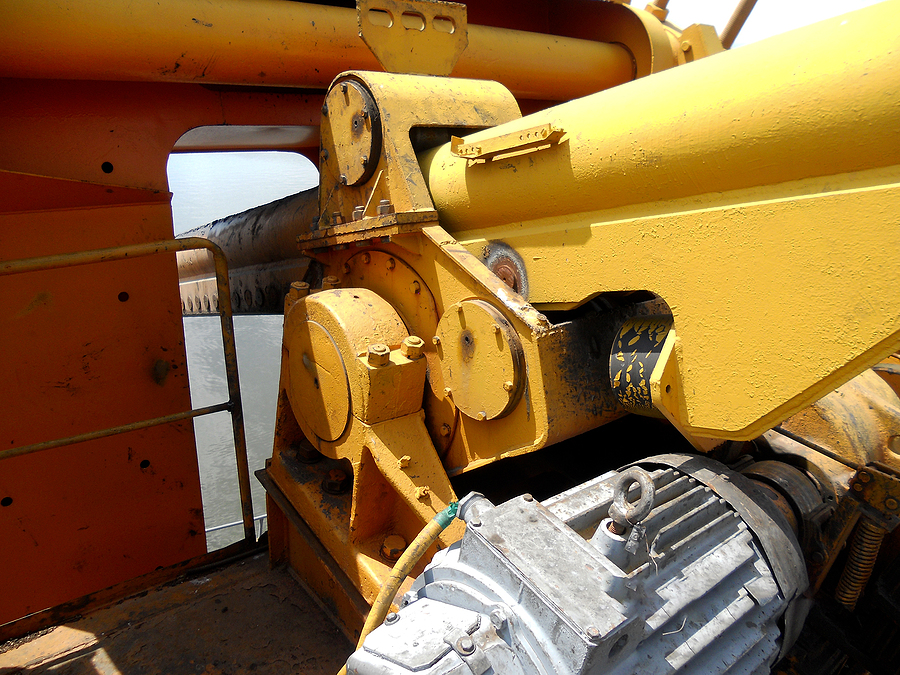
Large-ticket items move the number: wire rope, sheaves, slew bearings, hydraulic cylinders, pumps, control valves, winch gearboxes, and electronic controls (HMI/PLC/encoders). OEM components can shorten lead times and reduce risk; aftermarket may save on unit price but increase integration labor.
Labor & Specialized Skills
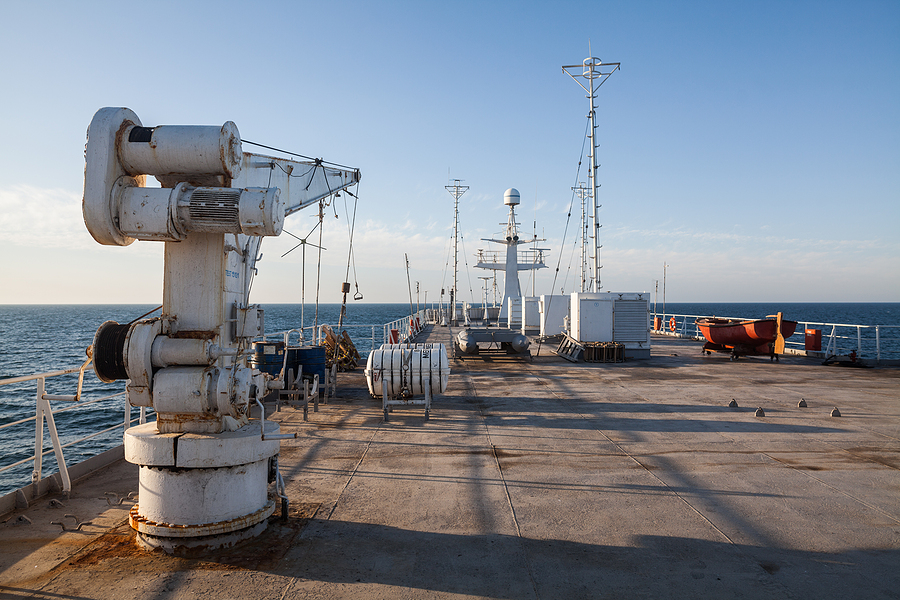
Marine cranes such as knuckle boom, telescopic, and stiff boom, require certified technicians with hydraulic and electrical experience. Complex teardown/rebuilds, in-situ machining, or precision alignments extend hours. If class or insurer requires a third-party inspector, add that to the budget.
Environment & Corrosion
Salt air accelerates wear. That means more frequent hose replacements, seal kits, surface prep, and coatings work. Corrosion remediation (blasting, coating, hardware) can be a hidden line item that grows once components are opened up.
Testing & Certification
Post-repair proof load tests, NDT on structural members, and documentation for class or USCG compliance are essential. The testing spread, rigging, test weights, barge time, inspectors, belongs in the estimate from day one.
Logistics & Lead Times
Freight for heavy components, customs (if sourced internationally), and long-lead bearings or valves can extend downtime. Planning alternates (service exchange units, partial rebuilds) can keep projects on track.
Typical Repair Scenarios (And Why They Cost What They Cost)
- Hydraulic leaks & hose failures: Parts are modest; the real cost is access, contamination cleanup, bleeding, and testing. Frequent leaks signal heat or contamination, solve the root cause to stop repeat visits.
- Winch/gearbox issues: Gear damage or bearing failure can mean full disassembly, precision measurements, shimming, and extensive testing. Consider oil analysis to predict issues earlier.
- Slew bearing play: If limits are exceeded, you may face a major lift, machining checks, new bolts/shims, and torque/verifications—plus load testing. Early detection through scheduled inspections reduces scope.
- Control system faults: Sensors and encoders are relatively inexpensive; troubleshooting wiring in harsh environments isn’t. Proper junction boxes, strain relief, and labeled schematics save hours.
How To Forecast Marine Crane Maintenance Costs
Build your budget around three buckets. Start with planned maintenance: routine inspections, fluid and filter intervals, rope measurement and lubrication, limit switch checks, bolt-torque audits, and coating touch-ups. This is where you keep reliability high and surprises low. Always include a contingency for corrosion or wear discovered during inspection so you’re not scrambling for funds mid-season.
Next, plan for condition-based tasks. Use oil analysis, vibration checks, thermal imaging, and sensor-health reviews to see problems early. The goal is to turn data into action—schedule minor repairs before they escalate into downtime or component failures.
Finally, fund unplanned corrective repairs. Set aside a reserve for big-ticket items like a slew bearing, pump, cylinder rod and packings, or a winch rebuild. Don’t forget line items for testing and certification, access and rigging, and the logistics that come with moving parts and people.
A simple template to start: allocate roughly 60% to planned maintenance, 20% to condition-based work, and 20% to corrective repairs—then adjust based on fleet age, duty cycle, and operating environment.
Smart Ways To Control Repair Spend
- Start with a thorough inspection. A documented baseline (photos, measurements, fluid samples) avoids scope creep and supports warranty claims.
- Use OEM or vetted parts. It’s not just price—fit and reliability reduce repeat labor and retest costs.
- Bundle work by window. Combine multiple tasks during one access/setup to save mobilization and testing fees.
- Protect the hydraulic system. Keep fluids clean and cool; contamination kills pumps and valves.
- Train operators. Proper warm-up, load handling, and shutdown procedures prevent shock loads and premature wear.
- Plan spares. Stock critical sensors, seal kits, and hoses specific to your crane model to cut downtime.
- Schedule compliance early. Align repairs with annual/class surveys to avoid duplicate mobilizations and extra test events.
Why work with a specialist
Marine cranes live in some of the harshest conditions in industry. A specialist understands failure modes on your specific models, carries the right tooling and test equipment, and knows the documentation standards your insurer or class society expects. That expertise helps manage the costs of marine crane repairs, translating into accurate scopes, fewer surprises, and successful close-outs.
DMW Marine Group services and supports a wide range of marine cranes with inspection, troubleshooting, parts, rebuilds, and certification support, designed to keep your vessel on schedule and your crane compliant.
Need a clear, itemized estimate for your crane? Talk to the DMW Marine Group team for inspection, parts sourcing, and repair planning that controls the costs of marine crane repairs. Request a consultation.