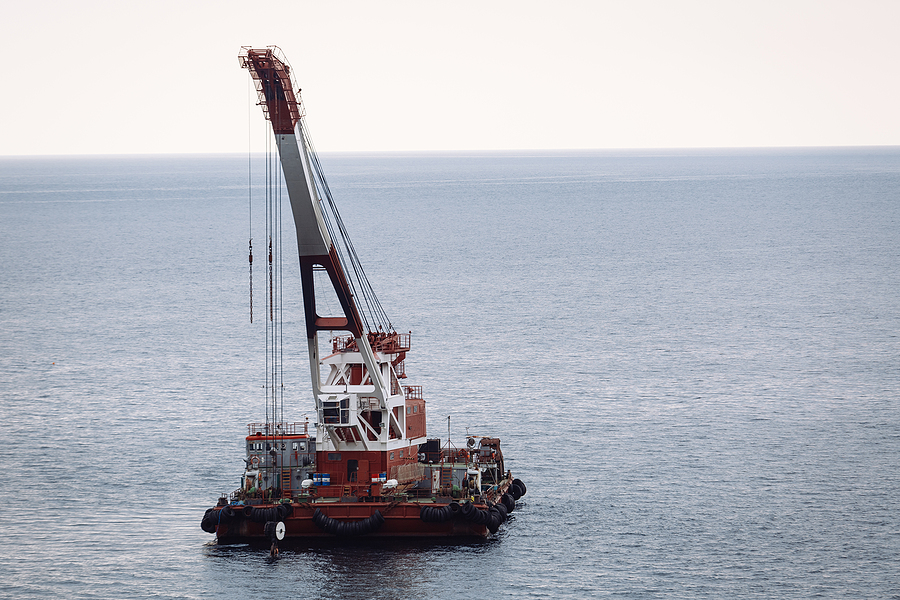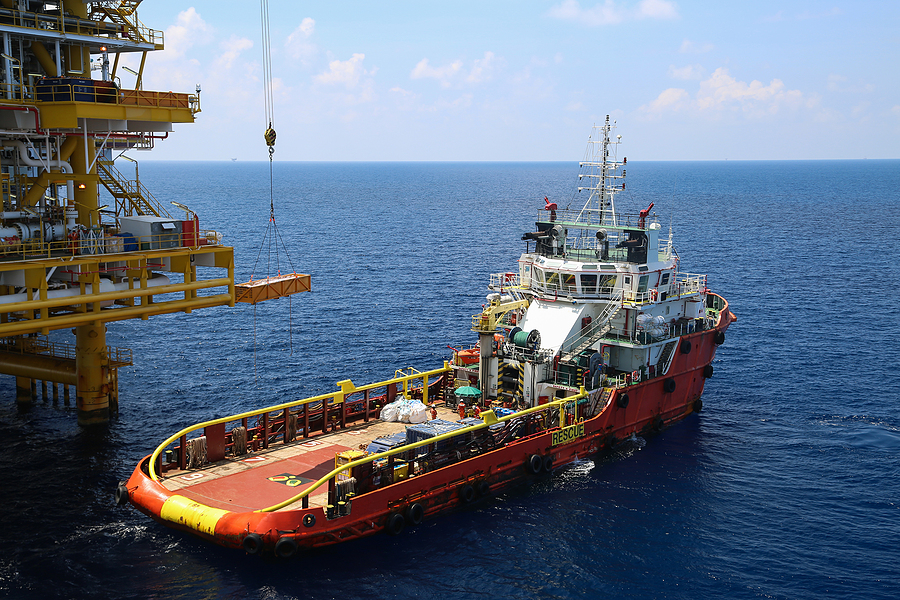
If your crane feels sluggish, runs hot, or seems to spring new leaks every month, it’s time to look at upgrading outdated marine crane hydraulics. Modern hydraulic packages deliver smoother control, cooler operation, and fewer surprise shutdowns. On hard-working marine cranes, that translates into faster turns, cleaner decks, and lower lifetime costs, without replacing the entire crane.
Why Upgrade Instead of Chasing Repairs
Legacy hydraulic circuits were built tough, but many weren’t designed for today’s duty cycles or the precision operators expect. As valves drift and pumps lose efficiency, you get heat, noise, and inconsistent motions. You can keep swapping hoses and seals, or you can step back and make targeted marine crane hydraulic system upgrades that fix root causes: better flow control, cleaner oil, and right-sized cooling. The result is a crane that feels new again—using the structure you already own.
Signs Your System Is Asking for an Upgrade
Performance tells the story. Motions slow under load, the tank smells burnt after a long shift, and a boom that should hold steady creeps or jolts as you feather controls. Pumps may chatter, winches may surge, and the reservoir might foam. Any one of these problems burns time; together, they’re a clear signal to plan a holistic refresh.
What a High-Impact Hydraulic Refresh Includes
Start at the heart: pumps and control. Load-sensing or pressure-compensated pumps deliver only the flow and pressure you ask for, which keeps oil cooler and control precise. Pair that with proportional valve manifolds and you unlock smooth starts, predictable stops, and fine feathering at the hook. Manifold redesigns can also shorten piping runs and eliminate chronic leak points, so your deck and bilge stay clean.
Clean oil is non-negotiable. Upgraded return and pressure filtration with clog indicators, a proper breather that keeps moisture out, and an off-line kidney-loop filter change the game for pumps, valves, and cylinders. If your oil is clean and dry, components last; if it isn’t, they don’t.
Cooling is the next lever. A cooler that’s too small—or starved of airflow or seawater—turns every shift into a heat-soak. Right-size the heat exchanger and confirm the reservoir volume and baffle design so you aren’t aerating the circuit. Stable oil temperature makes control feel crisp and repeatable.
Don’t neglect the plumbing. A hose and fitting refresh—correct bend radii, proper clamps, chafe guards, stainless hardware—prevents the bursts and rub-throughs that always seem to happen at the worst time. If cylinders are tired, modern seal stacks and improved rod coatings restore holding performance and reduce weeping. On the winch side, tuned motors, brake valves, and ratios give steadier line speed and better low-speed inching.
Finally, add a little intelligence. Pressure and temperature sensors, plus basic position feedback where practical, feed the controls and HMI so operators see problems before they become failures. Interlocks like park/lock valves and boom-rest switches reduce risk and simplify certification.
Make Controls Feel Modern
Hydraulic upgrades shine when the controls are tuned to match. Proportional joysticks with sensible ramp times let operators land the load without fighting the machine. A clear HMI that shows pressures, temperatures, and filter status builds operator confidence and helps supervisors schedule service before something breaks. The day-to-day difference is obvious: smoother picks, fewer reworks, and less fatigue.
Plan the Work Without Wrecking Your Schedule
Baseline first. Oil analysis, flow and pressure checks, a quick temperature map, and a review of valve and pump health will show exactly where your dollars do the most good. Fix heat and contamination early; they quietly destroy everything else.
Bundle changes during one access window so you aren’t paying for repeated mobilizations. Pre-fabricated manifolds and hardlines cut time on deck and reduce future leak points. When you commission, document set pressures, reliefs, and alarm thresholds, then give operators a short orientation so the “new feel” becomes second nature.
Cost, Downtime, and ROI
A targeted hydraulic upgrade costs a fraction of replacement and can be phased: pumps and valves first, cooling and filtration next, sensors and HMI after. Savings arrive in lower fuel burn, fewer callouts, longer component life, and steadier, safer lifts. Many operators see the payback inside a single heavy season, especially on cranes that work hot or run multiple shifts.
Make Your Crane Feel New Again
With a focused plan, upgrading outdated marine crane hydraulics delivers modern control, cleaner operation, and reliable uptime. DMW Marine Group designs and installs marine crane hydraulic system upgrades tailored to your crane type and duty cycle, from pump/valve packages and filtration to sensors, commissioning, and documentation that satisfies class and insurers. Keep your marine cranes lifting smoothly, and keep your schedule intact.
Ready for a hydraulic upgrade plan that fits your vessel and budget? Talk to DMW Marine Group for inspection, scoping, and a phased roadmap. Request a consultation.