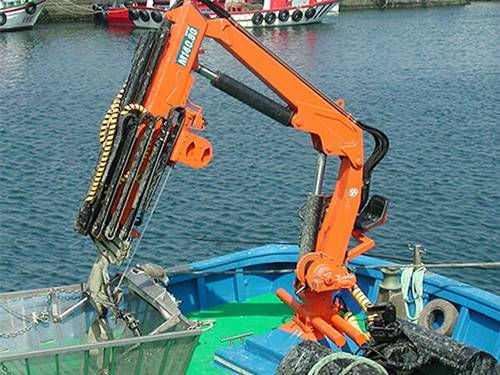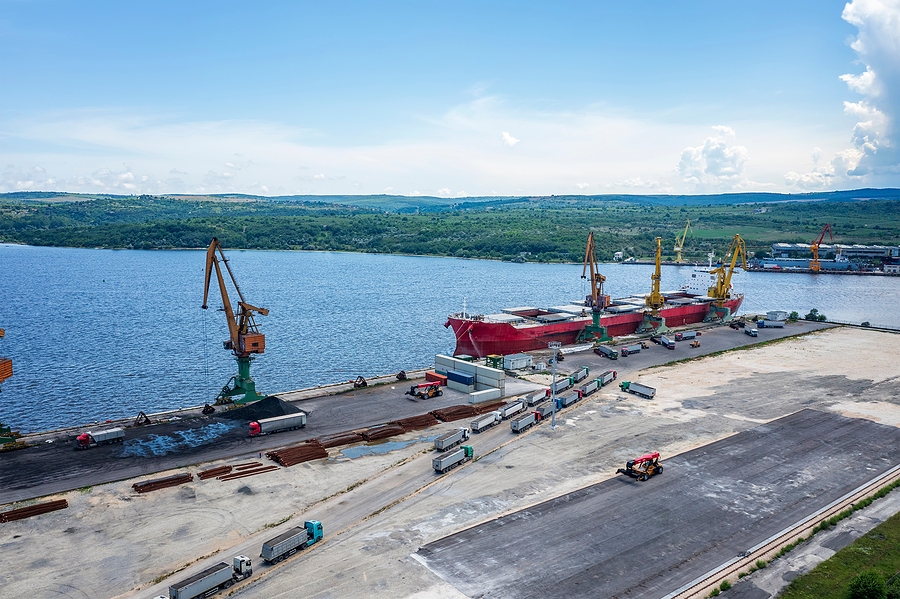
In the bustling world of marine logistics, time is of the essence. The quicker and more efficiently cargo is loaded and unloaded, the better the operation runs. One of the key pieces of equipment responsible for ensuring smooth and effective cargo handling is the ship crane. Whether loading heavy containers, oversized cargo, or delicate items, ship cranes play a pivotal role in improving overall cargo handling efficiency.
In this article, we will explore ship crane benefits.
Ship Cranes: Power in Cargo Handling
Ship cranes are engineered for precision and power, making them invaluable tools for efficiently handling a wide variety of cargo types. These cranes are equipped with advanced control systems that allow operators to handle cargo with great accuracy, minimizing errors and damage. The ability to position cargo with precision is especially important when dealing with sensitive or high-value goods.
Moreover, these cranes have impressive lifting capacities, enabling them to handle loads that would be impossible with traditional methods. From containers and heavy machinery to oversized loads, the power of ship cranes significantly speeds up the loading and unloading process, reducing downtime at ports and allowing for more cargo to be handled in less time.
Ship Cranes Versatility in Cargo Operations
The versatility of shipcranes is one of their most significant advantages. Whether you’re dealing with standard containers or irregular, bulky cargo, these cranes can adapt to the demands of each specific operation.
Ship cranes can be configured to handle various types of lifting equipment, such as slings, hooks, or spreader bars, depending on the nature of the load. This flexibility is particularly beneficial for specialized cargo that requires tailored handling techniques.
Another key benefit is that modern cranes can be easily integrated with automated systems, further increasing their efficiency. With automation, cranes can handle more repetitive tasks with minimal human intervention, reducing human error and speeding up processes.
Enhanced Safety and Reduced Labor Requirements
Using ship cranes not only increases efficiency but also significantly enhances safety during cargo handling operations. Manual lifting and loading present numerous risks, from physical strain to accidents caused by improper load handling. Companies that utilize these cranes can minimize these risks and ensure that heavy cargo is managed safely and securely.
Ship cranes also reduce the number of personnel required for cargo operations. With fewer hands-on workers needed to move cargo, there is less risk of accidents and injuries, while also saving on labor costs. This reduction in manual labor frees up the workforce to focus on other important tasks, improving overall operational productivity.
Faster Turnaround Times at Ports
One of the most measurable benefits of using ship cranes is the reduction in turnaround times at ports. Time is money in the shipping industry, and delays in loading or unloading cargo can have ripple effects on the entire supply chain. Ship cranes, with their high efficiency and quick lifting capabilities, ensure that cargo is moved swiftly from the vessel to the dock and vice versa.
By cutting down the time needed to load and unload cargo, these cranes allow vessels to spend less time at the dock, making room for other ships. This leads to smoother port operations and increased throughput, benefiting all stakeholders involved in the logistics process.
Advanced Technology and Automation
Today’s cranes are equipped with state-of-the-art technology that maximizes operational efficiency. Advanced sensors and control systems enable real-time monitoring of cargo weight, load distribution, and environmental conditions like wind speed, ensuring safe and optimal performance.
Additionally, these cranes often feature automated functions that can streamline repetitive tasks, such as lifting and positioning cargo.
The integration of technology not only speeds up operations but also helps in predictive maintenance. By monitoring the condition of the crane in real time, operators can detect issues before they become major problems, reducing downtime due to repairs and keeping operations running smoothly.
Environmental Benefits
As the shipping industry becomes more focused on sustainability, the role of ship cranes in reducing environmental impact cannot be overlooked. By speeding up cargo handling operations, these cranes reduce the amount of time that vessels need to spend idling at ports, cutting down on emissions. Moreover, modern cranes are designed to be energy-efficient, using less power while maintaining optimal performance. This contributes to a greener, more sustainable shipping industry.
Choose the Right Ship Cranes
Ship cranes are essential for efficient cargo handling, offering precision, power, and versatility in various operations. They help to speed up loading and unloading processes, reduce labor requirements, and improve safety at ports.
With advanced technology and automation, ship cranes provide not only operational efficiency but also contribute to sustainability in the marine industry. The benefits of using ship cranes are clear: they are vital tools that optimize performance, reduce turnaround times, and ensure smoother, more cost-effective cargo handling operations.
For more information about the capabilities and benefits of ship cranes, visit DMW Marine Group.