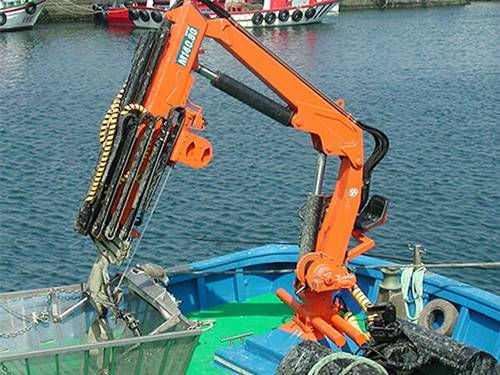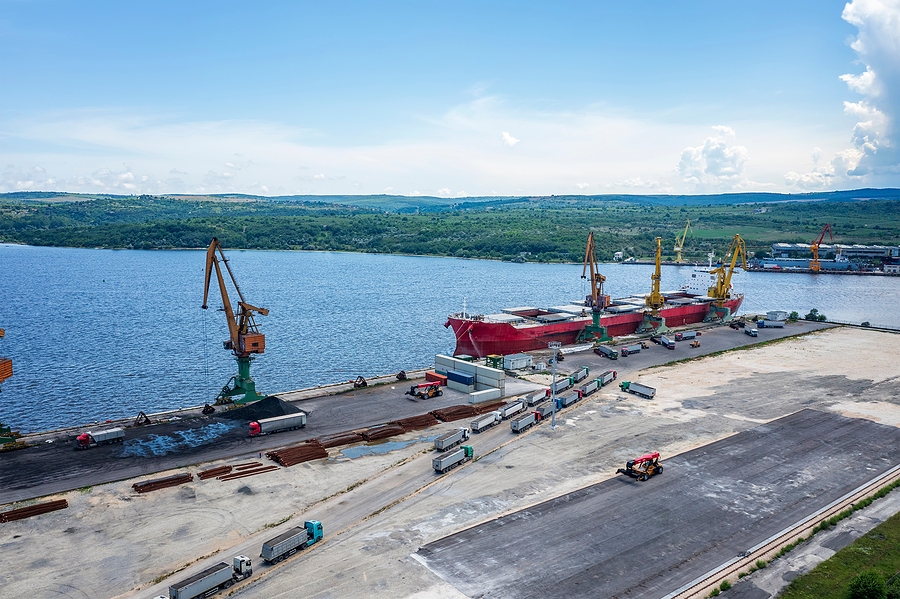
A crane ship is one of the most specialized vessels you’ll find in the marine construction world. These floating heavy-lift platforms are designed to move massive loads, everything from bridge sections to offshore structures, with precision in environments where land-based cranes simply can’t operate. But what most people don’t see is the team behind the lift. A crane ship isn’t just about one operator in a cab. It’s a coordinated operation made up of multiple roles working in sync, often in high-pressure conditions where timing, communication, and safety all have to line up perfectly.
If you’re working with a company like DMW Marine Group or considering a career in marine construction, it helps to understand how these roles come together. Let’s walk through the key jobs on a crane ship and how each one contributes to getting the work done.
The Crane Operator: The Center of the Operation
At the heart of any crane vessel is the crane operator. This is the person responsible for physically controlling the crane to lift, lower, and position loads weighing hundreds or even thousands of tons.
On paper, it sounds straightforward. In reality, it’s anything but.
Crane operators have to account for wind, current, vessel movement, and load dynamics all at once. Unlike land-based cranes, a crane ship is constantly moving, even if it’s anchored or stabilized. That introduces a level of complexity that requires sharp spatial awareness and steady control.
Operators are also responsible for inspecting equipment before and after use, ensuring everything is functioning properly, and following strict safety procedures.
They’re not working alone either. Every move they make depends on constant communication with the deck crew and riggers guiding the lift.
Riggers: The Hands on the Load
If the crane operator is the one moving the load, the riggers are the ones making sure it can be moved safely in the first place.
Riggers are responsible for attaching cables, slings, and lifting gear to the load. They determine how weight is distributed, where connection points should be placed, and how to prevent shifting during the lift.
This role requires a deep understanding of physics and load balance. A poorly rigged load can swing, twist, or even fail mid-lift, which is why riggers are critical to both safety and efficiency.
They also act as signalers, guiding the crane operator with hand signals or radio communication. In many cases, the operator can’t see the load directly, so they rely entirely on the riggers’ direction.
On a crane ship, this coordination becomes even more important because the vessel itself introduces motion that has to be accounted for in every lift.
Deckhands: Supporting Every Step
Deckhands are the backbone of daily operations on a crane vessel. They handle a wide range of responsibilities that keep the operation running smoothly.
You’ll find deckhands assisting with rigging, managing lines, helping position equipment, and maintaining the vessel itself. They often support crane operations by providing directional signals, preparing loads, and ensuring the work area is clear and safe.
It’s a physically demanding role, but it’s also one of the most versatile. Deckhands gain hands-on experience with nearly every aspect of the vessel, making it a common entry point into the marine construction industry.
Over time, many deckhands move into more specialized roles like rigging or equipment operation.
The Boatswain: Keeping the Deck Crew Aligned
On larger crane vessels, the boatswain—often called the “bosun”—acts as the supervisor for the deck crew.
This role bridges the gap between planning and execution. The boatswain assigns tasks, monitors progress, and ensures that all deck operations are carried out safely and efficiently.
They also play a major role in maintenance, overseeing everything from cleaning and painting to equipment upkeep.
In a high-stakes lifting environment, having someone focused on deck-level coordination helps prevent miscommunication and keeps the workflow organized.
The Captain: Overall Command of the Vessel
While crane operations might be the focus of the job, the vessel itself still needs to be navigated, positioned, and managed. That responsibility falls to the captain.
The captain oversees all vessel operations, including navigation, safety, and compliance with maritime regulations. On a crane ship, positioning is especially critical. The entire lift depends on the vessel being exactly where it needs to be.
In some cases, especially with non-rotating cranes, the ship itself must be maneuvered to place the load correctly.
The captain works closely with the crane operator and project team to ensure that positioning, timing, and environmental conditions all align before a lift begins.
Engineers: Keeping the Vessel Running
Below deck, engineers are responsible for maintaining the mechanical and electrical systems that keep the crane ship operational.
This includes engines, generators, hydraulic systems, and the crane itself. If something fails mid-operation, engineers are the ones who diagnose and fix the issue
Given the complexity of crane vessels, this role requires a strong technical background and the ability to troubleshoot under pressure. Downtime can be costly, especially on large marine construction projects, so reliability is everything.
Engineers also perform routine maintenance to prevent issues before they happen, which is just as important as responding to problems in real time.
Project Managers and Supervisors: The Bigger Picture
Not every critical role on a crane ship is on the deck. Project managers and supervisors play a key role in planning and overseeing operations.
They coordinate logistics, schedule lifts, and ensure that all work aligns with project goals and safety standards. This includes working with clients, engineers, and crew members to keep everything on track.
For complex jobs, such as offshore construction or heavy marine lifts, this level of coordination is essential. A crane ship might be just one piece of a much larger operation, and someone needs to make sure all those pieces fit together.
Safety Officers: Managing Risk in Real Time
Safety is a constant concern on any crane vessel. With heavy loads, moving equipment, and unpredictable environmental conditions, there’s very little margin for error.
Safety officers are responsible for identifying risks, enforcing safety protocols, and ensuring compliance with regulations. They conduct inspections, lead safety briefings, and monitor operations as they happen.
Their role isn’t just about preventing accidents. It’s about creating a culture where everyone on board understands the importance of doing things the right way.
On a crane ship, that mindset is what keeps both people and equipment protected.
Specialized Roles on Larger Crane Vessels
On more advanced or offshore crane ships, you’ll often find additional specialized roles depending on the scope of work.
Hydraulic technicians focus on the systems that power the crane. Electricians handle complex electrical components. Marine operations specialists may coordinate logistics, emergency response, or offshore support functions.
Some vessels even have dynamic positioning operators, whose job is to keep the vessel stable using advanced thruster systems during precision lifts.
As crane vessels become more advanced, the number of specialized roles continues to grow.
How It All Comes Together
What makes a crane ship unique isn’t just the equipment. It’s the coordination between all of these roles.
A single lift might involve the captain positioning the vessel, engineers ensuring systems are running properly, riggers preparing the load, deckhands clearing the area, and the crane operator executing the lift, all while safety personnel monitor the entire process.
Each role depends on the others. If one piece falls out of sync, the entire operation can slow down or stop.
That’s why communication is so critical. Whether it’s hand signals on deck or radio calls between crew members, everyone has to stay aligned from start to finish.
Why These Roles Matter for Marine Projects
For companies like DMW Marine Group, having the right team in place is just as important as having the right equipment.
Crane ships are often used in high-stakes environments, such as bridge construction, marine salvage, and offshore installations, where precision and reliability are non-negotiable.
Understanding the different roles on board gives you a clearer picture of what it takes to execute these projects successfully. It’s not just about lifting heavy objects. It’s about doing it safely and efficiently, with a team that knows how to work together under pressure.
A crane ship might look like a single piece of equipment from a distance, but up close, it’s a coordinated system of people, skills, and experience.
From the crane operator in the cab to the deckhands managing the details on deck, every role plays a part in making complex marine lifts possible.
And when everything comes together the way it should, the result is something pretty impressive, massive structures moved with precision, all from a platform floating in open water.
That’s the kind of work that defines marine construction.
If your next project requires precision lifting on the water, DMW Marine Group has the experience, equipment, and crew to get it done right. Reach out today to discuss your marine construction needs and see how our team can support your project from start to finish.