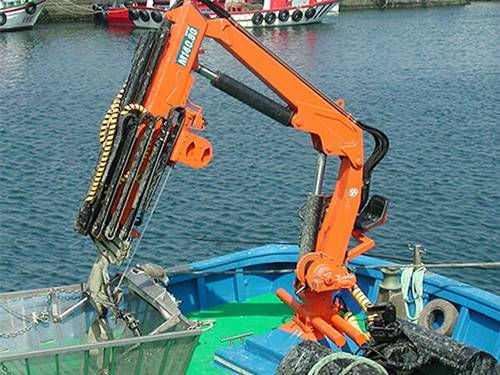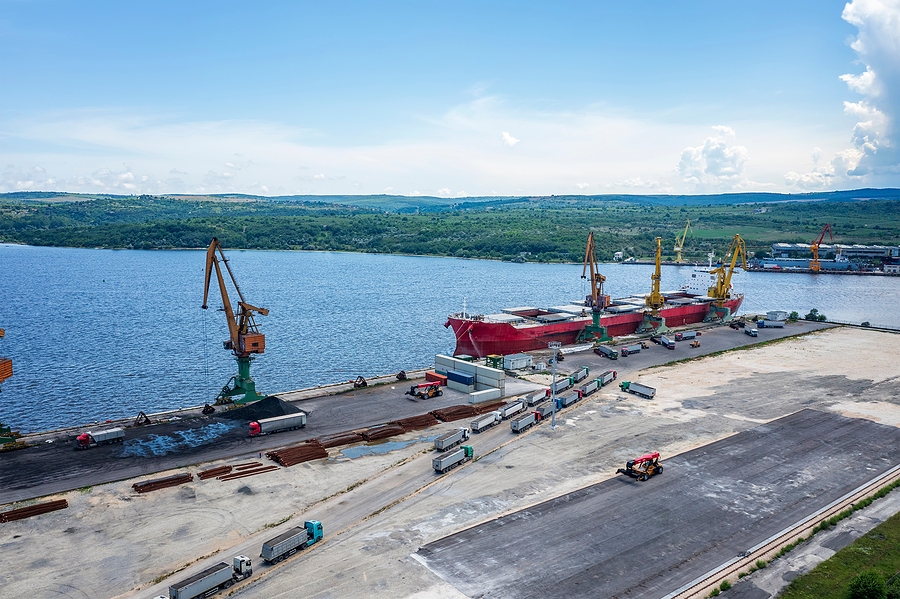
Offshore cranes face harsh environments. From heavy loads and saltwater exposure to vessel motion and extreme weather conditions, offshore crane components must withstand serious stresses during every operation. Brake systems are some of the most important safety components on any offshore crane.
If you start noticing brake drift or inconsistent holding power while operating an offshore crane, never ignore the problem. While it may seem like a minor inconvenience at first, issues with crane brakes can become dangerous safety hazards if not addressed quickly.
Load control, personnel safety, equipment integrity, and reliable operations all depend on proper brake function. If you suspect brake drift on an offshore crane, take the time needed to identify the problem and correct it. Below, we explain everything you need to know about brake drift and why it should always be taken seriously.
What is Brake Drift?
Brake drift happens when a brake fails to maintain positive control of a load or other crane component.
For example, after an operator applies the brakes to a load, boom, hoist drum, or other crane function, there should be no additional movement. With brake drift, the target component may slowly drift or creep after the operator releases the controls. Some cases of drift are barely noticeable, while others may be severe enough to impact lifts.
Any unexpected movement from an offshore crane after the controls are released is cause for concern. Brakes should always maintain a load or piece of equipment in position once an operator tells the crane to stop.
If there is any braking drift at all, it’s time to troubleshoot your crane’s brake systems. Offshore crane brakes are engineered to perform under difficult conditions and should always stop motion and maintain holding power.
Inconsistent Holding Power Poses Many Risks
As mentioned, brakes do more than simply stop motion on an offshore crane. They must reliably maintain their holding power after motion ceases.
Inconsistent brake holding can cause issues in which the brakes work perfectly during one lift but fail to maintain load positioning during the next. This creates uncertainty during crane operations.
When lifting on a vessel, there is already movement to compensate for the rig’s sway. Inconsistent brake performance only compounds these operating challenges and can create safety risks for personnel near the load. Unexpected load movement can stress rigging and affect positioning.
Many different problems can cause signs of brake drift. Even seemingly small issues should be inspected before continuing normal operations.
Diagnose the Problem
As soon as you notice brake drift on an offshore crane, stop and figure out what’s wrong. Continuing to use your crane before the problem is identified could make the issue worse.
Document:
- How and when the drift occurs
- Which crane function is affected
- Whether drift appears when the load is engaged or not
- Size of load(s) being lifted
- Any unusual sounds or crane behaviour
- Weather conditions at the time of drift
- Additional notes about the situation
Taking note of these details can help you narrow down potential causes. If you notice the problem persists during every lift, the cause may be different than if drift only occurs when handling lighter loads.
Think about recent crane performance as well. Has stopping distance increased over the past few weeks? Does it feel like the brake takes slightly longer to engage than it used to? Have you performed any maintenance recently? Has something changed about how the crane operates? Any recent changes can help determine the cause.
Check for Wear
Typically, when brakes start to drift, it is a sign of wear. Because brake systems rely on friction to stop motion, wear is inevitable.
Checking for worn brake linings, glazing, heat damage, corrosion, uneven wear, and contamination can help you determine if wear is the cause of your problem. Since offshore cranes are consistently exposed to moisture and saltwater, wear is much more accelerated than it would be for an on-ground crane.
Consider Hydraulic Issues
Hydraulic systems play an important role in the operation of offshore crane brakes. If there is an issue with hydraulic pressure, leaks, contamination, or valve function, it could affect your crane’s brakes.
Symptoms of hydraulic problems include, but are not limited to:
- Slow brake engagement
- Poor brake holding
- Strange system pressures
- Fluid leaks
- Erratic brake performance
Keep in mind that problems with other hydraulic components can affect your brakes as well. Troubleshooting may require you to review the entire hydraulic system.
Rule Out the Environment
The environment alone can create challenges for offshore crane brakes. Saltwater exposure, humidity, temperature changes, and vessel motion all impact the function of crane brakes to some degree.
Corrosion can cause issues with moving parts. Moisture can cause problems for friction materials and hydraulics. Left untreated, environmental exposure can accelerate wear and tear on your brakes.
When troubleshooting, consider any recent changes to the weather or environment your crane is exposed to.
Don’t Ignore the Warning Signs
Friction material creep or brake drift is not normal on an offshore crane. Sure, there may be times when your load shifts slightly when you release the brake due to vessel motion or other external forces. However, if you notice creep more than once, or if the problem seems to be getting worse, something is wrong.
By addressing these concerns early, you can often avoid larger repairs and minimize the risk of unscheduled downtime. Pay attention to the warning signs so you can address them right away.
These can include:
- Noticeable load creep
- Loss of holding power
- Unusual noises when braking
- Heat
- Hydraulic leaks
- Visible wear
Oftentimes, these problems can be fixed before they lead to more serious concerns. By catching issues early, you can often avoid expensive repairs.
Get Professional Help
Crane brakes aren’t simple. If you suspect drift, the issue could be caused by something mechanical, hydraulic, electrical, or even within the crane’s control system. While some causes can be diagnosed visually, others may require professional testing and verification.
When you bring in a qualified crane technician to inspect your brakes, they can perform tests to verify brake pressure, adjustability, wear, and overall operation. Only then can you be sure of what the issue is and what needs to be done to fix it.
Have your brakes inspected by a professional. DMW Marine Group has the experience and equipment to provide comprehensive inspections and brake service for your offshore crane. Our technicians can assist with everything from preventive maintenance to emergency brake repair.
Perform Regular Maintenance
Preventative maintenance is one of the best ways to avoid unexpected brake problems. Regular inspections allow you to spot wear and tear before it becomes too extreme.
By keeping up with your crane’s preventive maintenance schedule and catching issues early, you minimize the risk of sudden brake problems. Brake systems require just as much attention as any other critical safety component on your offshore crane. Give them the attention they deserve.
DMW Can Help with Offshore Crane Brake Service
So, what should you do if you suspect brake drift on an offshore crane? Stop using the crane and figure out what’s wrong. Don’t assume that it will go away on its own. The earlier you can diagnose and correct brake issues, the better.
DMW Marine Group offers offshore crane services, including inspection, maintenance, repair, and more. Our goal is to keep your offshore lifting equipment operating safely and efficiently no matter the environment or application.
Contact DMW Marine Group when your offshore crane needs brake service. Our team can inspect your brakes and help you resolve the issue before small problems lead to unplanned downtime.