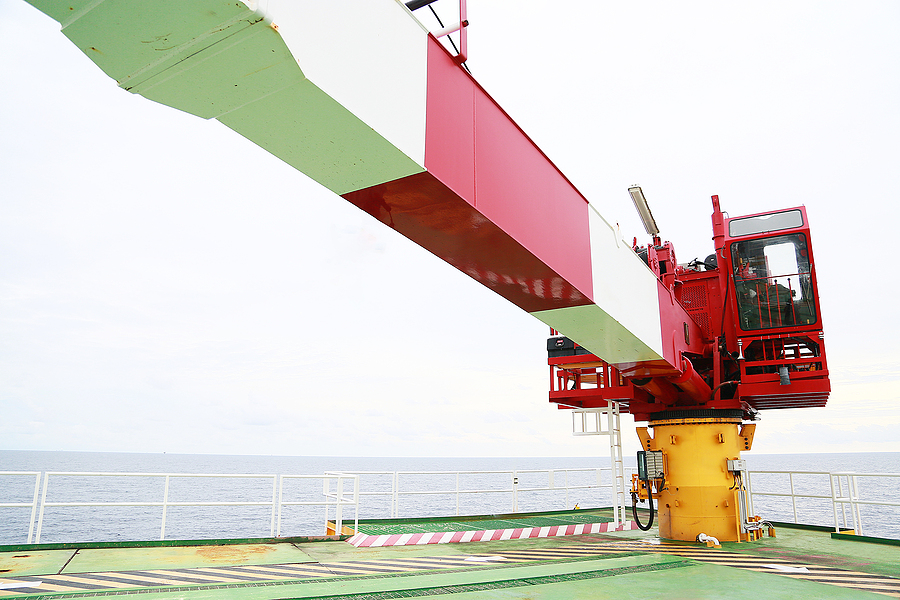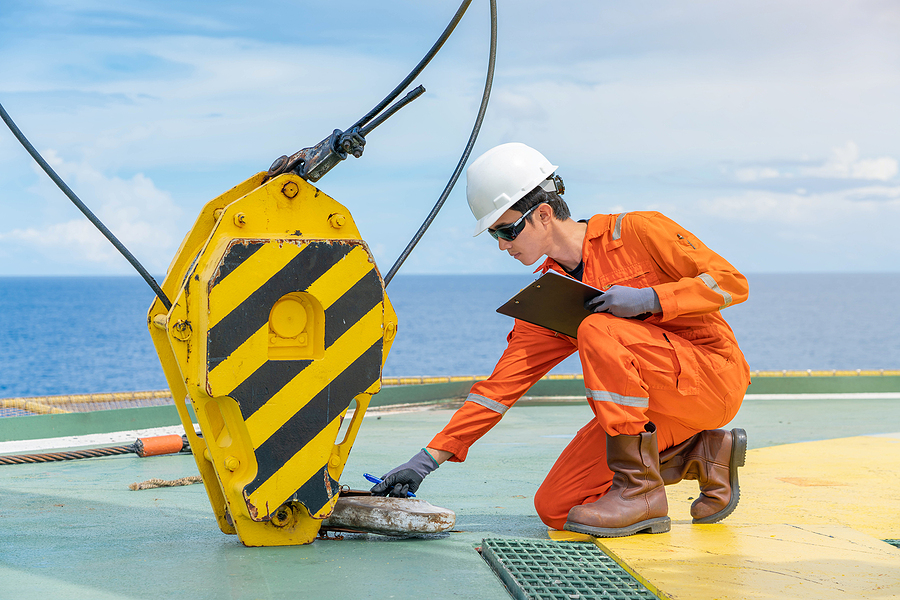
When a pedestal crane works offshore, the surrounding conditions become part of the job. An operator may have a clear view of the receiving deck at the start of a shift, then struggle to see it through rain later that afternoon. A load that was manageable earlier may become difficult to position as the wind picks up.
Wind, sea conditions, salt exposure, and temperature are among the environmental factors that most affect pedestal crane performance offshore. Their effects vary with the installation. A crane mounted on a fixed platform faces different movement conditions from one aboard a vessel, while equipment exposed to frequent spray may need more attention than machinery in a sheltered location.
Wind and the Shape of the Load
Two loads of similar weight can behave differently in the same wind.
A compact piece of equipment offers relatively little surface for the wind to act on. A large enclosure, panel, or other broad object may be more difficult to handle because it presents a larger exposed area. Once suspended, it can turn or move sideways, making positioning more demanding.
The operator also needs to account for the boom’s exposure. Wind can apply forces to both the crane and the load, and gusts can change those forces during the movement.
This is why a familiar load weight does not necessarily mean a familiar lift.
Before work begins, the crew needs to review the wind limits that apply to the actual configuration and cargo. Conditions should then be monitored as the operation proceeds. A forecast helps with planning, but measurements at the worksite help establish whether the lift can continue within its limits.
What Happens When the Receiving Deck Moves?
Transferring cargo between a crane and a vessel involves more than moving the hook from one place to another. The receiving deck may rise and fall as the vessel moves through the waves.
The difference can become particularly noticeable near the beginning or end of a transfer. As a load leaves its supports, its weight transfers to the crane. When it is lowered again, the crew must bring it onto a surface that may still be moving.
A fixed platform does not remove this concern. The crane may remain relatively stationary while the supply vessel alongside continues to roll, pitch, and heave. On a floating installation, movement of the crane’s own supporting structure also needs to be considered.
Those movements can create additional forces during lifting. The applicable crane ratings and operating procedures must account for them, including the conditions under which the transfer is permitted.
Motion compensation equipment may help with certain operations where it is installed. Its capabilities need to match the task, and the crew must remain within the system’s limits.
Saltwater Exposure
Mother Nature is relentless, and cranes operate at her mercy. Salt spray from the ocean can leave salt deposits on exposed components. Moisture may remain around a connection or collect where a protective coating has been damaged and will quickly lead to problems.
Even a small area of corrosion can be easy to overlook.
Over time, the salt exposure can affect fasteners, electrical connections, moving components, and structural surfaces, which can cause failures and unsafe working conditions.
A crane does not have to be directly splashed with the ocean’s salt water for moisture to become a concern. Humid air, rain, and temperature changes can allow condensation to form inside enclosed spaces, where the early signs may be less obvious.
Marine coatings and components designed for the expected exposure help protect the equipment. In addition, cleaning and inspection should follow the equipment’s maintenance instructions. When a seal or coating has deteriorated and started to break down, addressing it can help limit further exposure of the parts underneath.
Hydraulic Response During Cold Weather
Weather can take a toll on a crane. A crane may respond more slowly when its hydraulic oil is cold. Also, the crane’s oil becomes more viscous at lower temperatures, which can affect flow. Sluggish oil makes it harder for the pump to receive an adequate supply.
If the response remains poor after warm-up, it should not automatically be attributed to the weather. Lubricant selection, restrictions, equipment condition, and other possible causes may need to be checked.
Hot weather brings a different set of considerations. Heat produced during operation must be managed by the cooling system, and fluid temperatures need to remain within the manufacturer’s limits. Maintenance personnel can review temperature readings alongside workload and ambient conditions when investigating a change in performance.
The intended operating climate therefore matters when choosing a crane. Equipment designed for very cold locations may include specific winterization provisions. Confirm the temperature range and required equipment for the particular crane before deployment.
These should not be assumed because a crane is described as suitable for offshore use.
Rain, Fog, and Poor Visibility
Sometimes the machinery can perform the lift, but the crew cannot adequately observe it.
Fog, heavy rain, spray, and darkness can make it difficult to follow the load or judge its distance from surrounding equipment. Moisture on windows and camera lenses can reduce an otherwise useful view. Wet or icy access surfaces also affect the people preparing and receiving the load.
Lighting, cameras, and clear communication can help, but the arrangements must provide the visibility and coordination required by the lift plan. If those conditions cannot be maintained, the operation needs to be paused under the applicable procedures.
Planning for the Conditions Where You Work
Consider environmental factors affecting pedestal crane performance offshore when selecting equipment and throughout its working life. The expected climate, exposure to spray, vessel movement, and type of cargo all influence what the crane will need to do.
If you are selecting equipment or reviewing an existing marine crane’s performance, contact DMW Marine Group. The team can discuss your application, operating conditions, and service requirements to help identify equipment and support suited to the work ahead.