What’s the difference between a crane vessel, a heavy-lift ship, and a crane barge? A crane vessel focuses on lifting, a heavy-lift ship focuses on transporting large project cargo loads, and a crane barge acts as a floating lifting platform. Each category has specific design features that match its intended purpose.
Some crossover exists in how people describe vessel configuration and crew responsibilities. For project planning purposes, the vessel’s actual design and operating role matter more than what it may be called informally.
All three vessel types may lift heavy equipment, structural modules, or project cargo. However, they typically differ in propulsion vs. towing, mobility, deck layout, crane capacity, stability characteristics, positioning method, and project environment.
What Is a Crane Vessel?
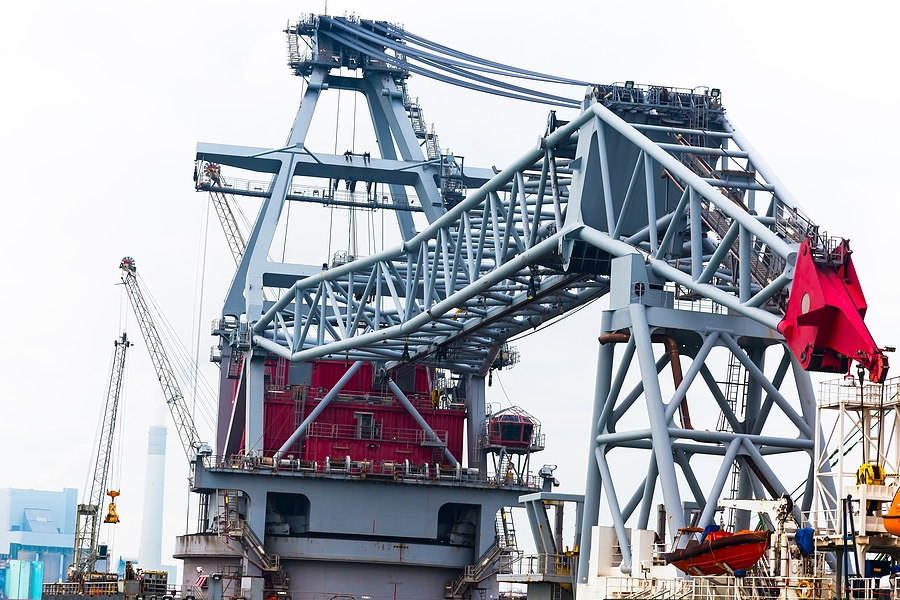
A crane vessel is a ship that operates with a crane as a primary aspect of its intended purpose. Many offshore construction activities, platform installations, wind-energy projects, salvage operations, bridge work projects, and subsea lifts require vessel-mounted lifting equipment.
Crane vessels are sometimes self-propelled so they can reach projects without needing tugboat assistance. Some large offshore construction vessels are dynamic positioning capable or will anchor with several anchors in combination.
Crane vessels may have the crane boom mounted on a revolving deck. Alternatively, the ship may need to maneuver for the crane to position a load. DMW Marine explains that crane ships require coordination among the captain piloting the ship, the crane operator, riggers, deck crew, engineers, and project managers.
The crane’s lifting capability is central to the vessel’s role and purpose. A crane vessel is not a cargo vessel with a small deck-mounted crane to facilitate loading and unloading.
What Is a Heavy-Lift Ship?
Heavy-lift ships are designed for transporting unusually heavy, oversized, or special project cargo. They are often equipped with onboard cranes so they can load and unload in ports that may not have heavy-lift capacity on shore.
Typical heavy-lifter cargo includes wind-turbine towers, transformer units, industrial equipment skids, ship sections, mining cranes, pressure vessels, modular homes, and offshore deck modules.
Cargo capacity, hold dimensions, open deck height and area, cargo-securing arrangements, and voyage specifications drive much of the vessel design. According to DNV, heavy lift ships typically focus on cargo hold dimensions and loading flexibility. Still, other design aspects like vessel integrity and stability cannot be ignored.
Heavy lift ship cranes can range from several hundred tons to upwards of 1,000 tons. While some heavy lift ships may lift cargo, carry it a short distance, and then install or position it, the mission typically involves transporting cargo over a considerable distance.
What Is a Crane Barge?
Crane barges are barges or pontoons that have a crane mounted on deck. They commonly provide stable lifting platforms for harbor projects, river work, coastal lifting, bridge component installation, dredging support, construction projects, salvage, or nearshore activity.
Traditional barges usually are not self-propelled. Towboats or tugboats move them to a project location and then may assist with positioning or hold the barge in place. Anchors, driving spikes known as spuds, and mooring lines are other ways to secure barges.
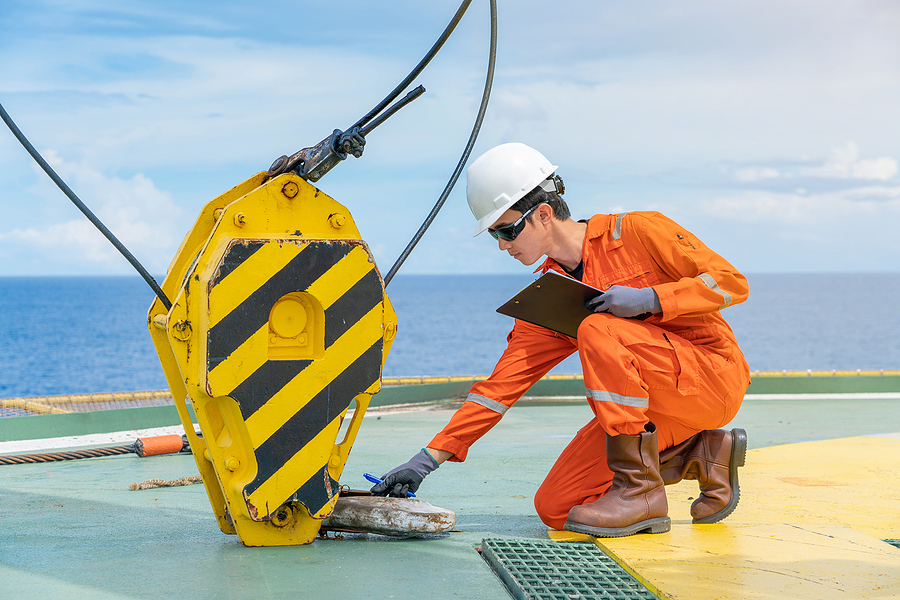
Crane barges can support pedestal cranes that rotate around the unit, lattice boom cranes, crawler cranes that move on the deck, stiff- boom cranes, and knuckle-boom cranes. DMW Marine installs and services each crane type on appropriate vessel types based on operating conditions.
Can These Vessel Categories Overlap?
Yes, the categories can overlap. A crane vessel might transport project cargo to a job site and then carry out lifting and installation tasks. In casual conversation, it could be a heavy-lift ship and crane vessel.
If a crane barge is large enough or has sufficient onboard crane capacity, people might call it a crane vessel. “Vessel” is sometimes used interchangeably with “ship,” but the ship designation implies it can navigate by itself.
Contract specifications should identify the intended vessel or barge by name, crane model, class status, deck weight capacity, lift limits, allowable positioning methods, environmental limits, and approved procedures.
How Do Propulsion and Positioning Differ?
Crane vessels and heavy-lift ships are typically self-propelled, while crane barges use tugs for transport. This affects mobilization time, how far a vessel or barge can travel economically, fuel consumption, crew requirements, and which projects each solution best supports.
Crane vessels may travel under their own power between offshore structures or loading/unloading ports. Ships can also employ dynamic positioning to hold position without anchoring.
Dockside barges typically anchor with multiple lines, drive spuds into the bottom for additional holding, or rely on tugs to maintain position. Positioning considerations can affect projects based on water depth, currents, shipping traffic, anchor-dragging risk, winds, waves, and submerged infrastructure.
Positioning isn’t just about maintaining the vessel location during a lift. Wind, waves, current, and vessel movement impact loads that are suspended by a crane, even if the crane isn’t moving.
How Does Stability Differ Among the Three?
Stability analysis is required for each vessel type, but crane barges need special attention to load movement. The crane and suspended load actively shift the entire unit’s center of gravity.
Load weight, boom length, crane configuration, barge dimensions, deck strength, ballast quantities, wind speeds, waves, and currents impact how much you can lift with a crane barge safely.
DMW Marine’s guide to crane tipping on barges describes how loading conditions can cause a barge to capsize even if the lift is within the crane’s rated capacity. (dmwmarinegroup.com)
Ship stability is also critical during loading and unloading. Large loads shifting along the side of a heavy-lift ship can produce significant rolling forces.
Take care not to exceed safe loading conditions, even when adequate crane capacity exists. Ballast tanks or stability pontoons might be necessary when heavy loads shift around a ship. Extremely large shipboard cranes create additional design and operational considerations.
Which Option Is Best for Harbor and Inland Construction?
Crane barges work well for harbor projects, riverine construction, bridge and dock building, and other waterfront environments that keep the job within a specific work area.
Dockside barges offer large working decks for materials and crew without the expense of mobilizing large ocean-going crane vessels. Typical applications involve handling piles, dock construction, bridge placements, dredging assistance, demolition, or salvage.
Like any marine equipment, project managers must understand the crane lifting limits and ensure the barge can support the equipment and load.
Which Option Is Best for Offshore Installation?
Offshore projects usually require a crane vessel that is purpose-built for the work. It must handle open water while providing positioning capability, onboard crew accommodations, and the ability to lift at height repeatedly during installation.
These vessels excel in offshore wind production, platform construction, subsea placement, and decommissioning.
Selecting the right crane vessel depends on the load, water depth, weather constraints, lifting radius, lift height, deck space for equipment or workers, and the structure receiving the load. DNV publishes a marine operations standard that covers these considerations.
Crane barges can support offshore projects when water and weather conditions allow, but you must first understand their limitations on positioning, towing, and wind.
When Is a Heavy-Lift Ship the Better Choice?
A heavy-lift ship becomes a better choice when transporting cargo to or from the job site is the primary activity. These ships allow you to safely ship oversized or heavy loads between factories, ports, and job sites around the world.
Large cranes mounted on heavy-lift ships also provide lifting support in areas without large dockside cranes. Twin lifting operations with two shipboard cranes can even increase capacity for certain lifts if properly rated and installed.
DMW Marine highlights the role of ship-mounted cranes in shipbuilding where floating cranes, crane vessels, or crane decks help construct hull forms, place large components, launch vessels, or repair ships.
What Specifications Should Be Compared Before Selecting a Vessel?
The vessel title should not dictate your choice. Comparison should start with the crane’s safe lifting capacity at the required reach distance from the rotation point, hook height above deck, boom configuration desired, usable deck area, stability requirements, environmental restrictions, required certifications, and the dimensions of the area where you need to work.
Lift plans should also account for load size and shape, center of gravity, rigging height, load lift points, vessel motion during lifts, sea-fastening procedures, ballast requirements, weather limits, and emergency plans.
DMW Marine offers a variety of deck trains, knuckle-boom, telescopic-boom, stiff-boom, and jib crane options for vessels of all sizes. Crane selection should start with understanding the load’s limitations, not what can lift it.
What’s the Difference Between a Crane Vessel, a Heavy-Lift Ship, and a Crane Barge?
What’s the difference between a crane vessel, a heavy-lift ship, and a crane barge? Crane vessels primarily lift at sea, heavy-lift ships transport large cargoes, and crane barges offer floating lifting platforms. Contact DMW Marine Group to learn more about marine crane capabilities.