Choosing the proper crane for your offshore vessel or platform can be challenging. Marine cranes come in several styles and configurations. You may have noticed crane ships using giant revolving cranes while many platforms use pedestal cranes and asked: “Why do some crane ships use giant revolving cranes while platforms often use pedestal cranes?” The applications for which they are engineered play a huge role in the crane selection process.
Crane vessels lift extremely heavy objects and install them over wide areas of ocean. Offshore platforms focus on reliably lifting supplies, equipment, materials, and crew for day-to-day operations.
While both crane types perform marine lifts, their designs, lifting capacities, and applications differ greatly. Let’s take a closer look at each crane style and understand why each has become such a popular solution for their intended purpose.
What Is a Giant Revolving Crane?
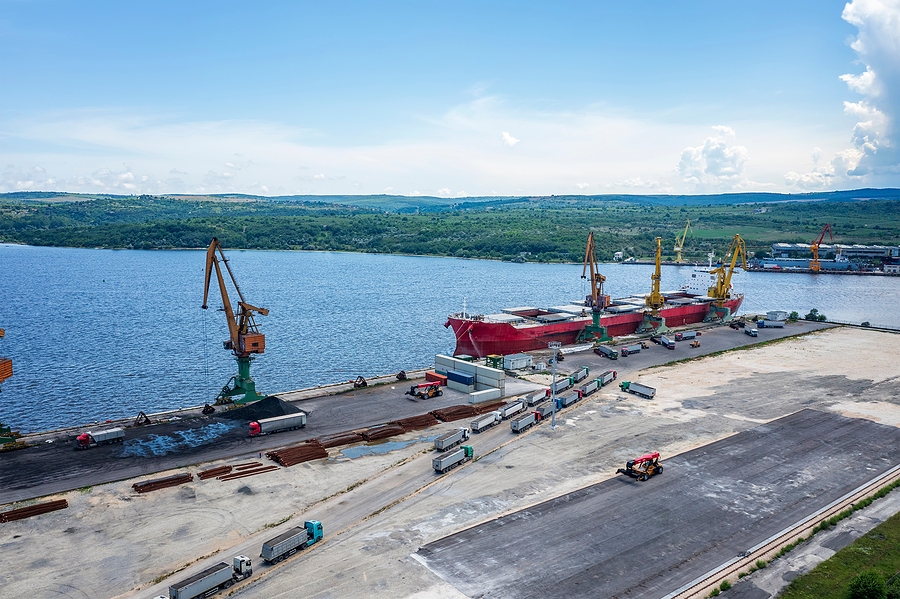
Giant revolving cranes are heavy-lift cranes installed on purpose-built crane vessels or heavy lift ships. Revolving cranes are engineered to rotate around through a large radius. This gives operators the ability to reach loads in multiple directions without moving the vessel.
Crane vessels that use rotating cranes typically work on installing large offshore structures.
Platforms, bridge sections, large subsea equipment, and wind turbine support structures can all weigh hundreds of tons. Because of the work these vessels perform, having a crane that can rotate and reach across a wide radius is essential.
What Is a Pedestal Crane?
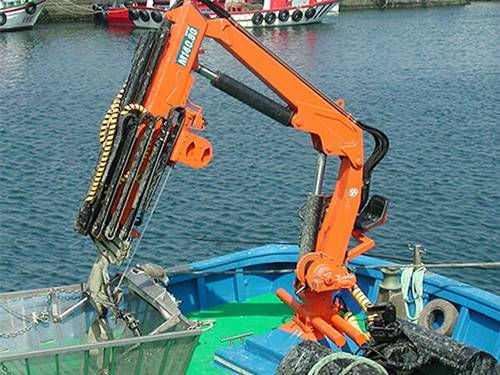
Pedestal cranes are cranes mounted onto a fixed pedestal. These cranes transfer lifting forces directly into the structure supporting the pedestal. Offshore pedestal cranes are found on oil platforms, production facilities, drilling rigs, offshore wind platforms, crew transfer vessels, and more.
Pedestal-mounted cranes are commonly used to move supplies, equipment, containers, and crew between vessels and offshore structures. They are not designed for the heavy-lift construction tasks that giant revolving cranes can handle.
Why Do Crane Ships Need Giant Revolving Cranes?
Crane vessels are unique because they typically perform the largest marine lifts. From installing entire offshore platforms to placing subsea structures, these vessels can do it all. Bridge sections, sunken ships, and wind turbine supports are just a few more examples of what crane vessels have lifted.
When you consider the size of these projects, it’s easy to see why crane vessels are equipped with giant revolving cranes. These marine lifts require tons of lifting power and reach.
To complete these types of lifts, crane vessels need cranes that provide:
- Heavy lifting capacities
- Exceptional outreach
- Wide rotational range
- Precision placement
- Flexibility on large jobs
Operators can position heavy lifts in various directions using the revolving design. There is no need to move the crane vessel every time they need to switch placement areas.
Why Are Pedestal Cranes Common on Offshore Platforms?
Platforms don’t share the same lifting requirements as crane vessels. Unlike installing massive offshore structures, most platform lifts involve:
- Loading and unloading equipment and supplies
- Moving crew from vessels to platforms
- Lifting tools, containers, or equipment
- Maintenance support
- Day-to-day operational tasks
Platforms use cranes for operations that occur multiple times every day. Operators value consistent, reliable lifts over heavy lifting capacity when working on platforms.
Pedestal-mounted cranes offer permanent lifting solutions built into the platform’s structure. Offshore crane specifications even describe these cranes as pedestal-mounted rotating cranes designed for marine transfers and platform support.
How Does Structural Support Influence Crane Selection?
A key difference between offshore platforms and crane vessels is structural support. Heavy lift crane vessels are engineered to handle large lifting forces.
The ship’s hull, ballast systems, and stability equipment are designed around heavy lifting operations. The vessel itself can flex and move to compensate for heavy lifts.
Offshore platforms cannot be designed to move, so crane forces need to be balanced with all other structural forces. Drilling equipment, production facilities, crew quarters, and environmental loads all influence platform stability.
By placing lifting forces into a reinforced section of the platform, pedestal crane designs keep lifting forces manageable and practical.
Do Crane Ships and Platforms Perform Different Types of Work?
Yes, as mentioned above, the work being performed by each vessel or structure determines which cranes they will use.
Projects performed by crane vessels typically include:
- Offshore construction
- Platform installation
- Subsea equipment
- Heavy module transport
- Offshore wind farm installation
- Salvage and recovery
Platforms use cranes for tasks like lifting supplies, transferring crew, and providing maintenance support. Crane vessels are used for heavy lifting on a project basis. Platforms need cranes that can operate continuously throughout the life of the facility.
Why Is Reach Important for Crane Vessels?
Reach is crucial on crane vessels because offshore construction often takes place far away from the vessel. Installing an offshore platform jacket or subsea module could require positioning loads dozens of feet away from the crane.
Giant revolving cranes are designed to provide maximum outreach. Operators can lift heavy loads from far away and carefully place them where needed.
Platform cranes do not need long reaches since they typically lift loads between supply vessels and the platform itself.
Are Pedestal Cranes More Practical for Long-Term Operations?
In most cases, yes. Offshore platforms are built to operate for years or even decades. Reliability, maintenance, and efficiency are all very important when you plan on operating something for that long.
Pedestal-mounted cranes offer unparalleled reliability and durability. Since pedestal cranes can be built into the platform’s structure, they also have a smaller footprint and require less maintenance.
There would be almost no reason to use a giant revolving crane for daily platform operations.
How Does Vessel Motion Affect Crane Design?
One of the biggest challenges with marine lifting is environmental forces. Waves, wind, and vessel motion can all negatively impact offshore lifts.
Crane vessels have an added challenge during heavy lifts because the vessel may move during the lift. Heavy lift crane vessels are equipped with specialized crane designs and stabilization technology to help operators maintain control.
Marine crane engineers must consider dynamic forces, vessel motion, and environmental factors when designing cranes.
Platform cranes do not have the same mobility as crane vessels. Since platforms are fixed structures, they do not have to worry about vessel movement.
How Do Operators Choose the Right Crane for the Job?
It all comes down to knowing your requirements. What are you lifting? How far do you need to reach? How often will you use the crane? What are your platform or vessel’s structural limitations?
Heavy lift offshore construction and installation work requires giant revolving cranes on crane vessels. When you need to lift heavy components on a fixed structure, pedestal-mounted cranes are your best solution.
There are many different styles of marine cranes for a reason. Each has been optimized to handle the unique challenges of its specific role in the industry.
Partner With DMW Marine Group for Marine Crane Expertise
Now that you understand why some crane ships use giant revolving cranes while platforms often use pedestal cranes, you can see how crucial proper equipment selection is. Whether your project involves offshore construction or providing platform support, choosing the right crane for the job is imperative to safe operations.
At DMW Marine Group, we offer marine crane services, inspections, maintenance, repairs, modernization, and much more. Our marine crane expertise extends to all types of offshore and marine lifting equipment. Contact DMW Marine Group today to see how we can help your crane vessels, offshore platforms, support vessels, and port facilities operate reliably in the harshest conditions.