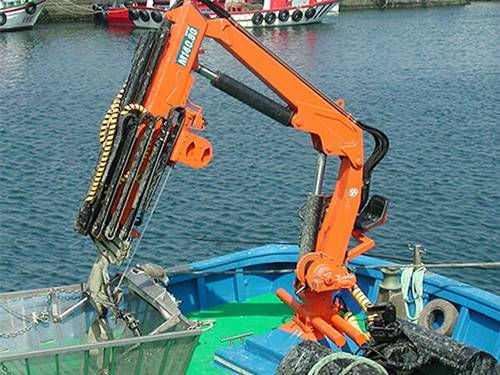
Offshore pedestal cranes have some of the toughest work schedules in the industrial world. Whether working on oil and gas platforms, offshore wind facilities, drilling rigs, or marine construction sites, offshore pedestal cranes are routinely called upon to lift supplies, equipment, containers, and even crewmembers every single day in some of the harshest conditions on the planet. With constant exposure to saltwater, wind, vibration, heavy lifting forces, and more, you may wonder what the most common pedestal crane failure points offshore are.
Knowing the components that are prone to wear and deterioration can help offshore operators establish maintenance and inspection programs that keep people safe, prevent unexpected downtime, and ensure reliability no matter what the weather or conditions are like in the marine environment.
DMW Marine Group understands “what are the most common pedestal crane failure points offshore” and can provide professional crane inspection, maintenance, repair, modernization, and technical support services that keep pedestal cranes and other marine lifting equipment operating safely and effectively for years to come.
Here’s a closer look at common offshore crane failure points and how they can be addressed through preventative maintenance and regular crane inspections.
Why Is Identifying Crane Failure Points So Important?
Obviously, crane failures are never desirable. Downtime is expensive on offshore facilities, and damaged equipment or injuries to personnel located near the crane can also pose environmental risks or cause costly project delays. In addition to these concerns, many offshore facilities have limited or intermittent access to parts and qualified repair crews.
Preventative maintenance and diligent inspections are a big part of reducing risk when operating in remote marine environments.
By understanding pedestal crane failure points, offshore operators can tailor their inspection efforts to focus on the components most likely to develop problems.
Are Wire Ropes One of the Most Common Failure Points?
Yes! Wire ropes are one of the most critical components on any pedestal crane. These load-bearing components are always loaded to some degree, and they flex and bend every time the crane is used. Because of this, wire ropes must be carefully monitored for deterioration over time.
Common wire rope problems include:
- Broken wires
- Corrosion
- Abrasion damage
- Crushing
- Kinking
- Fatigue-related deterioration
Since wire rope supports heavy loads, even a small abrasion can significantly reduce lifting capacity and create a safety concern. Ropes should be carefully inspected regularly and replaced as needed.
Hydraulic Systems
Hydraulic systems are another common failure point for offshore pedestal cranes. Many pedestal cranes use hydraulics to provide power for lifting, luffing, slewing, and other functions. Some common hydraulic problems include:
- Hose deterioration
- Seal failures
- Fluid contamination
- Pump wear
- Valve problems
- Internal leakage
Even small hydraulic leaks can cause problems because these systems operate under high pressure. In extreme cases, hydraulic failure can lead to loss of control or even complete crane shutdown. Preventative maintenance and regular fluid analysis can help identify hydraulic problems before they cause serious issues.
Slewing Bearings
A pedestal crane’s slewing bearing allows the entire unit to rotate so that heavy loads can be positioned where they need to go. Since this bearing is used on every lift and is constantly exposed to the marine environment, it can develop wear over time if properly lubricated. Saltwater, humidity, and contamination can all lead to bearing failure if inspections and lubrication are neglected. Common problems caused by slewing bearing wear include:
- Increased rotational resistance
- Abnormal vibration
- Uneven load distribution
- Bearing damage
- Structural stress
Structure
Many people do not realize that lifting heavy objects repeatedly can actually cause an offshore crane to develop fatigue cracks over time. While this type of damage is rare, it can occur when offshore pedestal cranes are subjected to repeated heavy loads. Stress causes microscopic cracks to form in the metal. After thousands of lifts, these cracks can expand, creating structural fatigue that weakens the crane and causes actual cracks to form.
Electrical Systems
Electronics and electrical systems are another common source of downtime. Whether caused by corroded connectors, damaged wire insulation, water intrusion, failed sensors, or control system malfunctions, modern pedestal cranes can experience headaches from damaged electrical components. Corrosion and electrical problems can often be addressed with preventative maintenance and routine testing.
How Do Offshore Crane Inspections Help Prevent Unexpected Failures?
Regular offshore crane inspections are one of the most effective ways to prevent unexpected equipment failures. Because pedestal cranes operate in harsh marine environments and are subjected to constant lifting cycles, even minor signs of wear can escalate into major mechanical or structural issues if left unaddressed.
Comprehensive inspections allow technicians to identify corrosion, fatigue cracking, hydraulic leaks, worn wire ropes, damaged bearings, and other developing problems before they affect crane performance or safety. By combining visual inspections with non-destructive testing and preventative maintenance programs, operators can reduce downtime, extend equipment life, improve safety, and maintain compliance with industry regulations.
In many cases, early detection of a small issue can prevent a costly repair or operational shutdown later on
Conclusion
DMW Marine Group can help you identify **what the most common pedestal crane failure points offshore** are and develop an inspection and maintenance program that keeps your equipment operating safely no matter where it’s located. Contact DMW Marine Group today to learn more about our marine crane services and offshore lifting equipment support solutions.